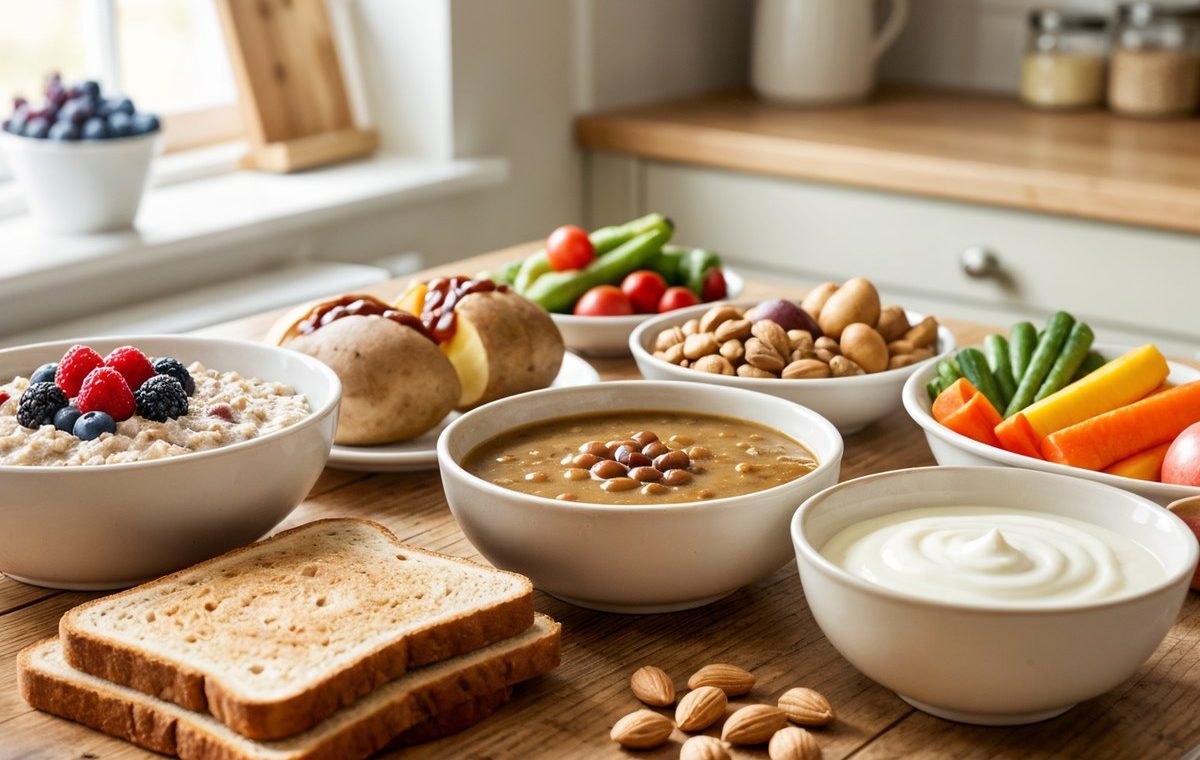
Eating well during pregnancy does not require a special menu, expensive “superfoods” or twice as much food. A useful starting point is the Eatwell Guide, adapted for pregnancy supplements and food safety. Depending on your household, that might mean porridge and fruit, chapatti with dal, beans on toast, rice with fish, pasta and vegetables, a jacket potato with a filling, or tofu noodles.
This guide uses current official and professional guidance available across the UK. NHS.uk is the England-facing NHS website, and devolved guidance can differ. The June 2026 NHS foods-to-avoid page supplies the main England-facing food categories used here; current NHS inform and Food Standards Scotland advice controls the Scotland-specific differences stated below. Check your own nation’s health service and maternity team when local guidance differs or is not covered.
Quick food-safety decisions
This is a first check, not a complete list. Product type, label, preparation and UK nation can change the answer.
| Action | Common examples | Important detail |
|---|---|---|
| Eat | Washed fruit and vegetables; cooked fish; pasteurised milk and yoghurt; hard cheese; British Lion, Laid in Britain or pasteurised hen eggs | Keep chilled food cold, observe use-by dates and apply the egg rules for your nation and eating setting. |
| Limit | Oily fish, tuna, caffeine, juice and smoothies, herbal tea | No more than two oily-fish portions weekly; no more than four tuna cans or two tuna steaks weekly; caffeine no more than 200 mg daily; juice/smoothies 150 ml daily; NHS advice limits herbal tea to four cups daily. |
| Cook until steaming hot | Ready-to-eat cold-smoked or cured fish, cold pre-cooked prawns, cold cured meats, white-rind mould-ripened soft cheese and soft blue cheese | Heating needs to reach the food throughout. Tinned heat-treated smoked fish does not need recooking. |
| Avoid | Alcohol; raw fish and raw shellfish; shark, swordfish and marlin; unpasteurised milk, cream, yoghurt, butter and ice cream; liver and liver products; lead-shot game meat | Scotland also advises avoiding all pâté and gives stricter advice on rare meat. Pâté advice outside Scotland is explained below. |
Sources: NHS foods to avoid in pregnancy, reviewed 15 June 2026; NHS inform Scotland: eating well in pregnancy, updated 27 July 2026; and Food Standards Scotland advice for people at higher risk of food poisoning.
Everyday meals in a varied UK food culture
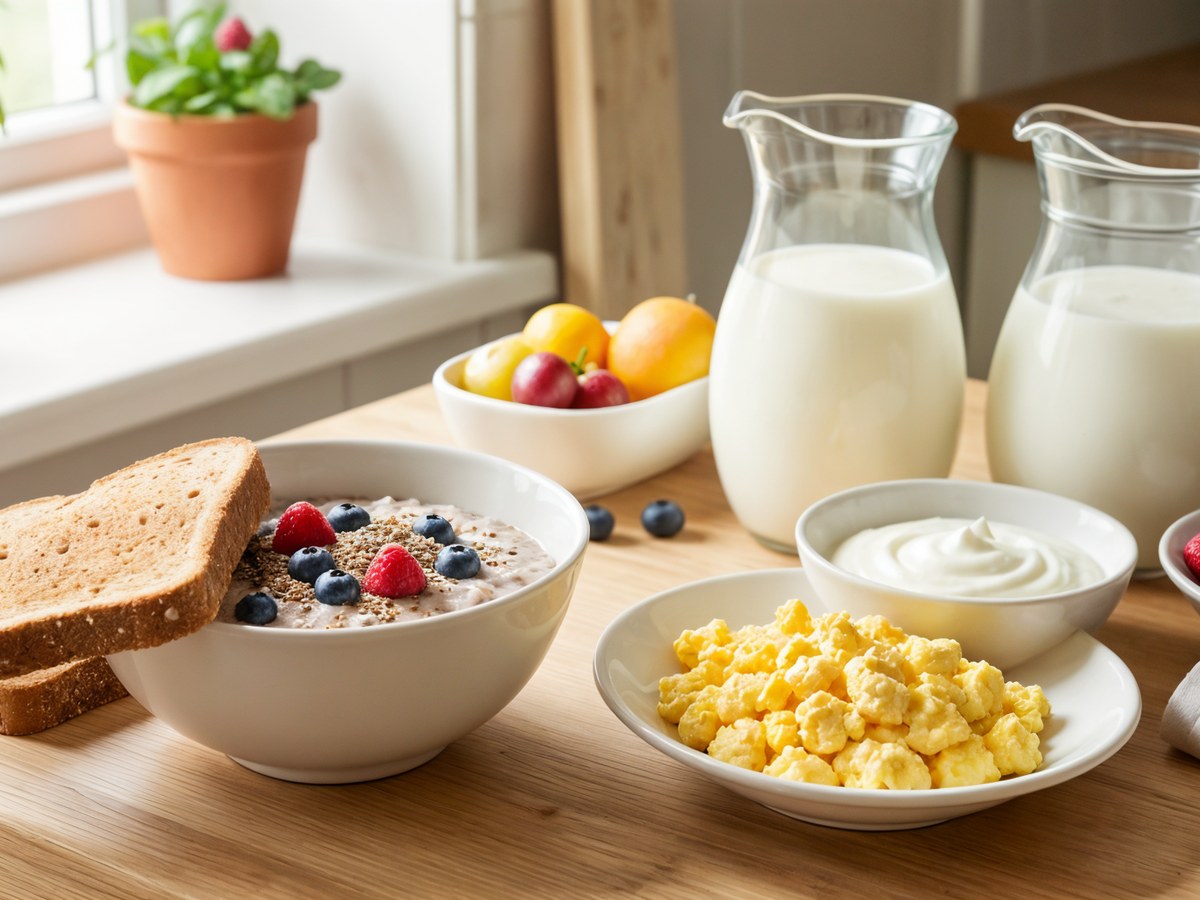
There is no single British pregnancy diet. Homes across England, Scotland, Wales and Northern Ireland use different ingredients, food traditions, budgets and religious or ethical patterns. The examples here are possibilities, not descriptions of how every family from a community eats.
A simple meal can combine a starchy food, a protein food, vegetables or fruit, and a calcium-containing food where it fits. Choose the form you can afford and tolerate. Wholegrain versions can add fibre, while white rice, bread, pasta or noodles may be easier during nausea.
| Meal | Example | Practical adaptation |
|---|---|---|
| Breakfast | Porridge with milk or a fortified plant drink, fruit and ground seeds | Use fortified cereal and fruit when cooking feels difficult; check plant-drink labels for calcium, iodine, vitamin B12 and vitamin D. |
| Lunch | Lentil soup with bread; hummus and salad in pitta; or a jacket potato with beans | Frozen vegetables and tinned pulses keep cost and preparation time down. |
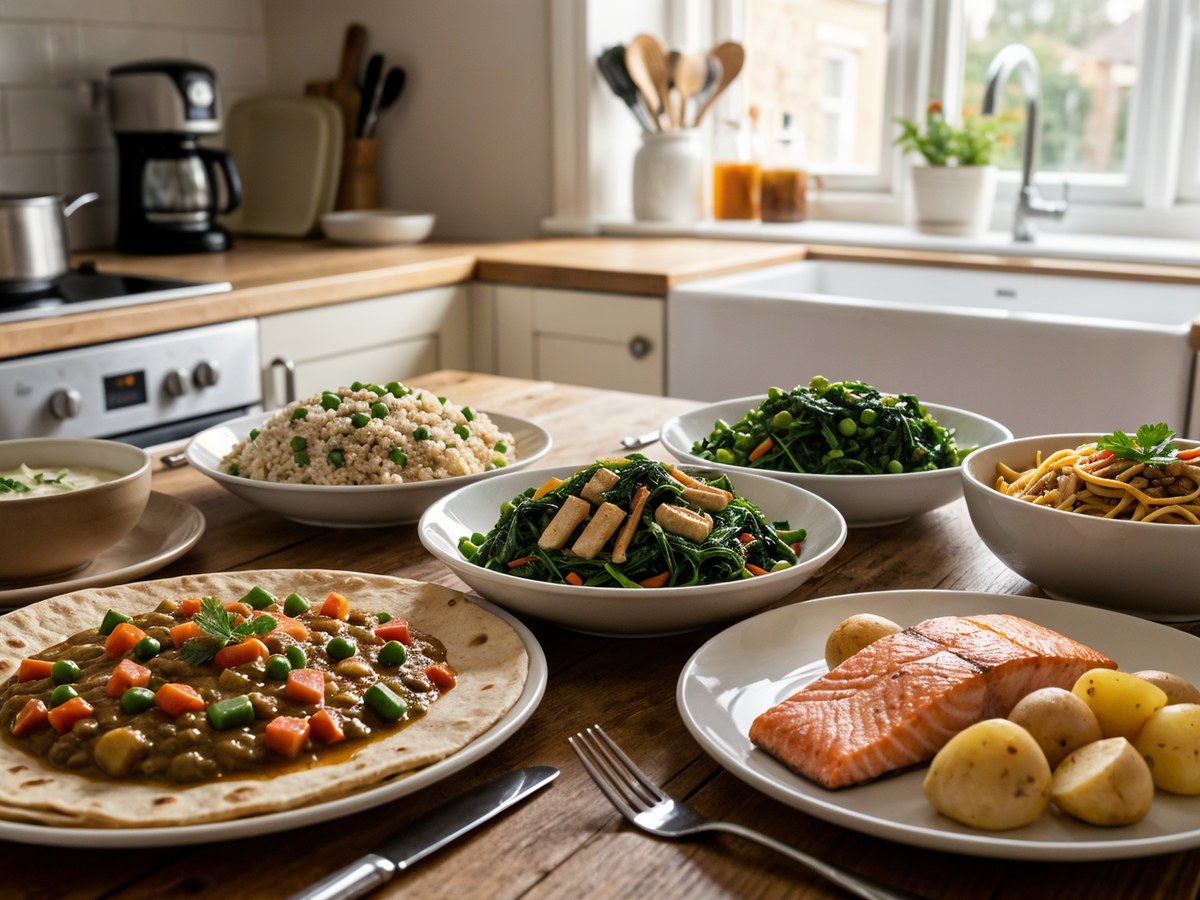
| Dinner | Chapatti with dal and vegetables; mujaddara-style lentils and rice with pasteurised yoghurt; or tofu and vegetable noodles | Add washed salad, cooked greens or frozen vegetables according to appetite and availability. |
| Another dinner | Caribbean-style rice and peas with callaloo or spinach and thoroughly cooked fish or chicken; or jollof-style rice with beans and vegetables | Use lower-salt tinned foods where useful and follow the fish or meat cooking rules below. |
| Low-effort meal | Beetroot soup with bread and pasteurised yoghurt; chicken congee; or cereal with milk and fruit | Convenience foods can help. Check use-by dates, chilling and reheating instructions rather than expecting every meal to be cooked from scratch. |
Food groups that do the practical work
- Starchy foods: oats, bread, potatoes, rice, pasta, breakfast cereals, chapatti, yam, cornmeal and noodles. Higher-fibre choices can include porridge oats, wholemeal bread, wholewheat pasta, brown rice and potatoes with skins.
- Vegetables and fruit: aim for at least five portions daily. Fresh, frozen, tinned and dried options all count. Wash produce and salad thoroughly. Juice and smoothies are limited to a combined 150 ml daily and count as one portion.
- Protein foods: rotate beans, peas, lentils, chickpeas, tofu, mycoprotein, nuts, seeds, eggs, fish, poultry and meat as appropriate to your diet.
- Dairy and alternatives: pasteurised milk and yoghurt and permitted cheeses can supply protein, calcium, iodine and vitamin B12. Protein and fortification vary between plant drinks, so compare labels instead of assuming all alternatives are equivalent.
- Oils and higher-fat, salty or sugary foods: use unsaturated oils such as rapeseed, olive or sunflower oil in small amounts. Cakes, biscuits, crisps, sweets and sugary drinks fit less often and in smaller amounts.
There is no need to “eat for two”. UK public-health guidance uses about 200 extra calories daily in the final three months as an average population guide. It is not an individual target. Appetite, activity, symptoms, body size, multiple pregnancy and health conditions can change what is appropriate, and intentional weight-loss dieting during pregnancy is not recommended.
Sources: NHS healthy eating in pregnancy, the Eatwell Guide, and RCOG healthy eating and vitamin supplements in pregnancy.
Key nutrients and supplements
Food, routine public-health supplements and treatment for a diagnosed deficiency serve different purposes. Folic acid and vitamin D have standard public guidance. Higher-dose folic acid and treatment doses of iron, vitamin D or vitamin B12 need clinical oversight.
Folate and folic acid
Folate is found in dark-green vegetables, broccoli, Brussels sprouts, beans, lentils, citrus fruit and some fortified breakfast cereals. Food does not replace the recommended folic acid supplement. NICE NG247 and NHS pregnancy vitamins guidance advise 400 micrograms (0.4 mg) daily, ideally from about three months before conception through the first 12 weeks. Start when pregnancy is discovered if you have not already begun.
Some people need clinician-prescribed 5 mg folic acid through 12 weeks because of specific medical, medicine or family-history factors. NICE says BMI of 25 kg/m² or more alone is not a reason for more than 400 micrograms. NHS inform Scotland still says a midwife or GP may advise 5 mg when BMI is 30 or more. This article cannot determine which high-dose indication applies to an individual; confirm the prescription with the clinician responsible for your preconception or maternity care.
Vitamin D
NHS and NICE advice is 10 micrograms (400 IU) daily from October through March, and throughout the year for people whose skin makes less vitamin D from sunlight or who have limited sun exposure. NHS inform Scotland advises 10 micrograms every day during pregnancy and offers free pregnancy vitamins; current RCOG guidance also advises 10 micrograms daily throughout pregnancy. Because the wording differs, follow the advice for your nation and local maternity service. The NHS warns against taking more than 100 micrograms daily unless directed clinically.
Iron
Iron sources include lean red meat, eggs, beans, lentils, chickpeas, tofu, nuts, seeds, wholemeal bread, leafy vegetables, fortified cereal and dried fruit. Pairing plant iron with a vitamin-C food can support absorption. Tea and coffee can reduce absorption, so moving them away from an iron-rich meal may help.
NHS and RCOG guidance describes routine blood testing at the booking appointment and again at around 28 weeks. Follow the schedule used by your local maternity service. Iron tablets are not routinely needed by everyone; a midwife or GP can advise when results or clinical circumstances show a need.
Iodine, calcium and vitamin B12
Iodine sources include milk and dairy foods, white fish and eggs. The British Dietetic Association’s iodine guidance explains that the UK does not routinely recommend an iodine supplement for every pregnancy. Kelp and brown seaweed contain variable, sometimes excessive amounts and are not reliable iodine strategies. Seek individual advice before using an iodine product, especially with thyroid disease.
Calcium sources include pasteurised milk and yoghurt, permitted cheeses, calcium-fortified plant drinks and yoghurts, calcium-set tofu, fortified cereals and bread, kale and watercress. Vitamin B12 occurs naturally mainly in meat, fish, dairy foods and eggs. Vegan diets require reliable vitamin B12 provision from suitable fortified foods and/or a professionally reviewed supplement plan.
Omega-3 fats
Oily fish supplies long-chain omega-3 fats including DHA. Plant foods such as ground flax or linseed, chia, walnuts, rapeseed oil and soya supply ALA, which is not nutritionally identical to fish-derived DHA and EPA. If you are considering an algae-derived omega-3 supplement, check with a pharmacist, midwife, GP or dietitian that the specific product is suitable in pregnancy and does not contain vitamin A as retinol. Do not take cod-liver oil in pregnancy.
Fibre and fluids
Wholegrain breads and cereals, oats, potatoes with skins, pulses, fruit and vegetables contribute fibre. Increase it gradually and drink regularly. The Eatwell Guide uses six to eight cups or glasses daily as general guidance; NHS inform Scotland describes six to eight 200 ml glasses. Vomiting, warm weather and activity can increase needs.
Sources: NICE NG247, NHS pregnancy vitamins and supplements, NHS inform Scotland vitamins and minerals, RCOG pregnancy diet guidance, and BDA pregnancy and diet guidance.
Pregnancy nutrition by trimester
The same varied foundation and safety rules continue throughout pregnancy. The practical emphasis changes as appetite, nausea, fullness and reflux change.
| Stage | Useful focus | Examples | Ask for help when |
|---|---|---|---|
| First trimester | Folic acid through 12 weeks, fluids and tolerated variety | Toast, crackers, rice, pasta, cold yoghurt and fruit, soup, small meals | Fluids will not stay down, dehydration develops, weight falls or vomiting is severe |
| Second trimester | Rebuild variety and regular meals if early symptoms ease | Porridge, safe sandwich fillings, dal and chapatti, fish and potatoes, pasta with pulses | Intake remains restricted, symptoms concern you or blood results need follow-up |
| Third trimester | Use smaller meals if fullness or reflux makes large meals uncomfortable | Smaller bowls of soup, yoghurt and fruit, toast with beans, modest main meals plus snacks | Eating or drinking remains difficult, weight is a concern or symptoms are severe |
For more detailed guidance on appetite changes, manageable meals, supplements and food safety in weeks 1–12, see First Trimester Foods in the UK.
Detailed pregnancy food-safety guidance
The categories below use the NHS foods-to-avoid page reviewed 15 June 2026 as the main England-facing source. Devolved guidance can differ. Follow current advice for the UK nation where you receive care; the material Scotland-specific differences are stated rather than merged into a single rule.
Fish and seafood
- Aim for two fish portions weekly, including one oily portion, without exceeding two oily-fish portions.
- Have no more than four tuna cans or two tuna steaks weekly.
- Avoid shark, swordfish and marlin, raw fish and raw shellfish. The June 2026 NHS category includes raw-fish sushi even when the fish was previously frozen.
- Cook ready-to-eat cold-smoked or cured fish, including smoked salmon, smoked trout and gravlax, until steaming hot. Tinned heat-treated smoked fish does not need recooking.
- Cook cold pre-cooked ready-to-eat prawns until steaming hot. Cooked fish, cooked shellfish and sushi made with cooked fish or shellfish are allowed.
Sources: NHS foods to avoid in pregnancy and the joint FSA/FSS cold-smoked and cured fish advice.
Eggs
British Lion-stamped hen eggs and hen eggs produced under the Laid in Britain scheme may be raw, runny or fully cooked when within their use-by date. Other hen eggs, and duck, goose and quail eggs, should be cooked until white and yolk are firm.
Scottish sources are not identical. NHS inform says raw or runny eggs are acceptable when they are pasteurised, British Lion or Laid in Britain, and advises asking restaurant staff about assurance status. Food Standards Scotland advises pregnant people and other higher-risk diners to ensure eggs eaten outside the home are thoroughly cooked because assurance status may be unknown. The simplest way to follow FSS advice when eating out in Scotland is to choose thoroughly cooked eggs.
Sources: NHS egg categories, NHS inform Scotland, and Food Standards Scotland.
Dairy foods and cheese
Pasteurised milk, yoghurt, cream, butter and ice cream are allowed. Hard cheeses such as cheddar, Gruyère and Parmesan are allowed whether made from pasteurised or unpasteurised milk. Many pasteurised soft cheeses are also allowed, including cottage cheese, cream cheese, mozzarella, feta, paneer, ricotta, mascarpone, halloumi, burrata and goat’s cheese without a white rind.
Avoid unpasteurised milk, cream, yoghurt, butter and ice cream. Cook mould-ripened soft cheeses with a white rind—such as Brie, Camembert and white-rind mould-ripened goat’s cheese, often labelled chèvre—and soft blue cheeses until steaming hot. Keep chilled dairy cold and observe use-by dates.
Source: NHS dairy and cheese categories in pregnancy.
Meat, pâté, cured meat, liver and game
Avoid raw or undercooked meat. Poultry, pork, burgers, sausages, mince, rolled joints and black pudding should be thoroughly cooked with no pink or blood. The NHS foods-to-avoid page reviewed in June 2026 lists whole cuts of beef or lamb, such as steak or cutlets, as acceptable when thoroughly cooked on the outside; this exception does not apply to mince, burgers or rolled joints. NHS inform Scotland gives stricter advice: avoid raw or rare meat and cook meat until steaming hot throughout, with no pink meat. Follow the guidance for the nation where you receive care.
Cook cold cured meats such as salami, pepperoni, chorizo and prosciutto until steaming hot. Avoid liver and liver products, including dishes made with liver, because they can contain high levels of preformed vitamin A. Avoid game meat, particularly meat that may have been shot with lead ammunition. The June 2026 NHS page gives goose, partridge, pheasant and venison as examples; NHS inform Scotland gives hare, partridge and pheasant.
Pâté advice differs. The NHS foods-to-avoid page reviewed in June 2026 lists meat and vegetable pâté as chilled foods to be careful with: keep them chilled and eat them before the use-by date. NHS inform Scotland, updated in July 2026, says it is best to avoid all pâté, including vegetable pâté, because it may contain listeria; RCOG also advises avoidance. If you are in Scotland, follow the Scottish advice. Elsewhere, anyone who wants the simplest cautious option can avoid pâté.
Sources: NHS meat and chilled-food categories, NHS inform Scotland, and RCOG pregnancy diet guidance.
Chilled foods and kitchen hygiene
Keep pre-packed sandwiches, salads, cooked meats and other chilled ready-to-eat foods cold and eat them before their use-by date. A use-by date concerns safety, even when food still looks or smells normal. Follow product storage and cooking instructions, heat ready meals until steaming hot throughout, keep raw food apart from ready-to-eat food, and clean hands, boards, knives and worktops.
Listeriosis can be mild in the pregnant person but serious in pregnancy or a newborn. Wash fruit, vegetables and salad thoroughly to remove soil, and avoid raw or undercooked meat to reduce toxoplasmosis risk. If you become unwell after a higher-risk food, contact NHS 111, your GP or maternity service. A temperature of 38°C or above, aches, chills, vomiting, nausea or diarrhoea after possible listeria exposure warrants advice.
Sources: NHS pregnancy food-safety and escalation guidance and the Food Standards Agency listeria guide.
Caffeine, alcohol and herbal tea
Caffeine
Keep caffeine to no more than 200 mg daily from all sources. NHS pregnancy food guidance gives estimates of about 100 mg for a cup of instant coffee and 75 mg for a cup of tea. NHS inform Scotland gives the same figures for a mug and lists about 140 mg for a mug of filter coffee. Actual caffeine varies with product, preparation and serving size, so use labels or retailer information where available. Caffeine in cola, energy drinks, chocolate, medicines and supplements also counts.
Alcohol
The UK recommendation is not to drink alcohol when pregnant or planning pregnancy. If you drank before knowing you were pregnant, NHS guidance advises avoiding further alcohol and not worrying unnecessarily because risk is likely to be low; discuss concerns with a midwife or doctor. Ask for support if stopping is difficult.
Herbal tea
The NHS advises no more than four cups of herbal tea daily because evidence for many ingredients is limited, and it says to avoid liquorice-root tea. Check herbal products or supplements with a pharmacist or maternity professional instead of using them as treatments.
Vegetarian, vegan and other dietary patterns
A vegetarian or vegan diet can be compatible with pregnancy when it is carefully planned. Vegan diets require reliable vitamin B12 provision and deliberate planning for iodine, iron, calcium, vitamin D, protein and omega-3 fats. Fortification differs between brands, so check calcium, iodine, vitamin B12 and vitamin D separately on plant-drink, yoghurt and cereal labels.
Rotate beans, lentils, chickpeas, tofu, soya foods, mycoprotein, nuts, seeds and wholegrains; vegetarian diets can also include eggs and dairy. A pescatarian pattern still follows the fish species and portion limits. A dairy-free pattern needs a broader plan than replacing calcium alone. Halal eating spans many cuisines and household practices. In UK shops and restaurants, check certification or ask about ingredients where that matters to you, then apply the same pregnancy rules for doneness, chilled foods, fish, eggs and dairy. Meals such as lentil soup with bread, chickpea stew with couscous, or thoroughly cooked chicken with rice and vegetables can all be adapted within those requirements.
Because individual needs, fortification and supplement suitability vary, ask a midwife, GP or registered dietitian to review the pattern when dependable fortified foods are limited, intake is restricted, or thyroid disease, anaemia, malabsorption, allergy, severe nausea or multiple pregnancy adds complexity.
Sources: NICE NG247 addresses restricted diets and vitamin B12, while the British Dietetic Association pregnancy guidance provides practical dietetic context.
Eating when pregnancy symptoms affect appetite
Nausea and vomiting
Small, frequent meals can be easier than large ones. Toast, bread, crackers, rice or pasta may be manageable, while cold food can help when cooking smells are difficult. Sip fluids little and often. Ginger foods or drinks may help some people; check ginger supplements with a pharmacist.
Seek medical advice if you cannot keep food or fluids down, become dehydrated, lose weight, feel very weak or dizzy, have abdominal pain or fever, vomit blood, or have severe or persistent symptoms. Hyperemesis gravidarum needs clinical care.
Constipation
Increase fibre gradually through wholemeal bread and cereals, oats, fruit, vegetables, beans and lentils. Drink regularly and remain active as appropriate. Iron tablets can worsen constipation, but speak to your maternity team before changing prescribed iron.
Heartburn and reflux
Smaller meals, sitting upright during and after eating, and leaving three hours between food and bedtime may help. Rich, spicy or fatty foods and caffeinated drinks trigger symptoms for some people, so use your own pattern rather than a universal ban. A pharmacist, midwife or GP can advise on pregnancy-suitable medicines.
Sources: NHS guidance on vomiting and morning sickness, common health problems in pregnancy, and indigestion and heartburn.
Shopping, budget and low-energy planning
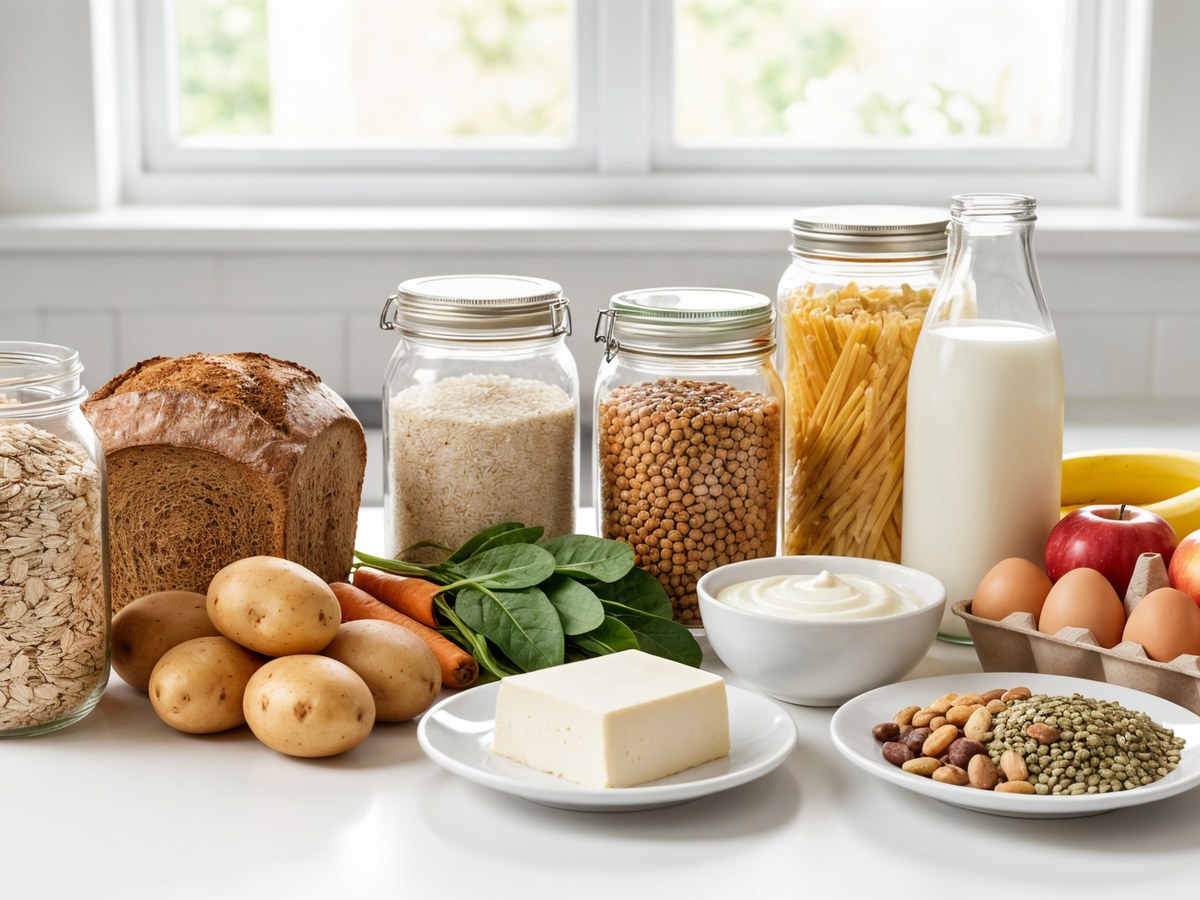
Start with meals your household already eats, then buy components that can work more than once. A useful shop covers: two or three starches; several protein options; fresh, frozen or tinned produce; a calcium source; fruit or simple snacks; and one or two low-effort meals.
| Buy or check | Budget-minded choices | Use across meals |
|---|---|---|
| Starches | Oats, own-brand bread, potatoes, rice, pasta, noodles or chapatti flour | Porridge; toast and beans; jacket potatoes; rice bowls; soups with bread |
| Proteins | Tinned beans and lentils, dried pulses, eggs, tofu, tinned fish within limits, or family packs of poultry | Dal, soups, pasta sauce, rice and beans, omelette, tofu noodles, fish cakes |
| Produce | Frozen spinach, peas or mixed vegetables; tinned tomatoes; carrots, cabbage, bananas and seasonal fruit | Add to curries, stews, noodles, pasta, rice, porridge and snacks |
| Dairy or alternatives | Pasteurised milk or yoghurt; permitted cheese; fortified own-brand plant products | Breakfast, sauces, snacks and meal accompaniments; compare fortification labels |
| Low-energy backup | Soup, beans, cereal, frozen vegetables, wholemeal toast, microwave rice or a safely stored portion from the freezer | Combine two or three items instead of skipping food when cooking is difficult |
Make one shop work harder
A pot of lentils can become dal with chapatti, lentil soup with bread, or a tomato-and-lentil pasta sauce. Rice can support jollof-style rice with beans and vegetables, Caribbean-style rice and peas, tofu stir-fry or a simple fish-and-vegetable bowl. Frozen spinach can go into dal, omelette, soup, pasta sauce or a stew. These overlaps reduce waste without forcing the same meal every day.
Shop by function, not by a perfect list
- Compare unit prices and own-brand options where practical; pregnancy-branded foods are not required.
- Use frozen produce and tinned pulses to reduce spoilage. Choose fruit tinned in juice and lower-salt products when available.
- Check pasteurisation, egg assurance marks, use-by dates and cooking instructions for safety.
- Check calcium, iodine, vitamin B12 and vitamin D separately on plant alternatives.
- Keep a few combinations that need little preparation: beans on toast with fruit, soup and bread with yoghurt, cereal and milk, hummus pitta with washed vegetables, or a jacket potato with a suitable filling.
- Use Healthy Start or Best Start Foods if eligible; official pages hold the current eligibility and payment details.
“Best before” mainly concerns quality; “use by” concerns safety. Follow the product label for storage and reheating.
Where guidance and support differ across the UK
| Topic | England-facing or NICE position | Current Scottish position | Practical action |
|---|---|---|---|
| Folic acid and BMI | NICE says BMI of 25 or more alone does not justify more than 400 micrograms. | NHS inform says a midwife or GP may advise 5 mg when BMI is 30 or more. | Confirm any 5 mg prescription with the clinician responsible for your care. |
| Vitamin D | 10 micrograms daily October–March and all year for groups with lower sunlight exposure or synthesis. | 10 micrograms every day in pregnancy; free pregnancy vitamins are available. | Follow guidance for your nation and circumstances. |
| Food support | Healthy Start covers England, Wales and Northern Ireland. | Best Start Foods is the Scottish route. | Use the official eligibility checker for your nation. |
| Restaurant eggs | Recognised assurance-scheme hen eggs can be runny. | NHS inform says to ask about assurance status; FSS advises higher-risk diners to ensure eggs eaten out are thoroughly cooked. | In Scotland, the simplest FSS-aligned choice when eating out is thoroughly cooked egg. |
| Pâté | The June 2026 NHS page lists meat and vegetable pâté as chilled foods to handle carefully. | NHS inform says it is best to avoid all pâté, including vegetable pâté. | In Scotland, avoid it. Elsewhere, avoiding it is the simplest cautious choice. |
| Rare or intact meat | The June 2026 NHS page allows whole beef or lamb cuts thoroughly cooked on the outside. | NHS inform says avoid raw or rare meat and cook meat until steaming hot throughout with no pink. | Follow the rule for the nation where you receive care. |
Guidance and service pathways may still vary in Wales and Northern Ireland even where no separate nutrient threshold is shown here. Follow information from your local maternity service.
When individual nutrition advice matters
Ask a midwife, GP, pharmacist or maternity dietitian for tailored advice when pregnancy intersects with diabetes, thyroid or kidney disease, coeliac disease, bariatric surgery, anaemia or another deficiency, multiple pregnancy, a significant weight concern, an eating disorder, food allergy, a highly restricted diet or severe vomiting. Seek prompt advice after illness following a higher-risk food.
Continue prescribed medicines and supplements unless the clinician responsible for your care advises a change. For wider pregnancy topics, see PreggieBites’ general pregnancy care guidance.
One adaptable day of meals
This example shows combinations, not a prescription or guarantee of nutritional adequacy.
- Breakfast: porridge made with milk or a fortified soya drink, berries and ground seeds.
- Mid-morning: fruit with pasteurised yoghurt or a fortified plant yoghurt.
- Lunch: lentil and vegetable soup with wholemeal bread and a permitted cheese, or calcium-set tofu for a dairy-free variation.
- Afternoon: toast with nut butter, if suitable for you, or crackers with hummus.
- Dinner: rice with thoroughly cooked salmon and vegetables. For a vegan variation, use tofu instead of salmon. This changes the meal’s iodine, vitamin D and long-chain omega-3 contribution, so assess those nutrients across the whole diet using suitable fortified foods and, where appropriate, advice from a midwife, GP or dietitian.
- Drinks: water and milk or a suitable alternative, with tea or coffee counted within the daily caffeine maximum.
Healthy Start, Best Start Foods and free vitamins
In England, Wales and Northern Ireland, Healthy Start can help eligible people who are more than 10 weeks pregnant or have a child under four buy specified foods and obtain vitamins. Check the official service for current eligibility and values. Healthy Start pregnancy vitamins contain folic acid, vitamin C and vitamin D; collection arrangements vary.
Scotland uses Best Start Foods instead of Healthy Start and also provides free pregnancy vitamins.
Official and professional pregnancy nutrition resources
- NHS: Have a healthy diet in pregnancy — England-facing food-group guidance.
- NHS: Foods to avoid in pregnancy — England-facing safety categories, reviewed 15 June 2026.
- NHS: Pregnancy vitamins and supplements — England-facing supplement guidance, reviewed 3 June 2026.
- NICE NG247 — England guidance including folic acid and BMI.
- NHS inform Scotland: Eating well in pregnancy — Scotland-specific food and safety advice.
- NHS inform Scotland: Vitamins and minerals in pregnancy — Scotland-specific supplement advice.
- Food Standards Scotland: People at higher risk of food poisoning — practical safety and eating-out advice.
- Food Standards Agency: Listeria — food-safety information for England, Wales and Northern Ireland.
- RCOG: Healthy eating and vitamin supplements in pregnancy — UK professional guidance.
- British Dietetic Association: Pregnancy and diet — UK dietetic guidance.
Practical takeaway
Build meals from familiar foods, use fortified products deliberately when they are needed, and apply the safety rule for the UK nation where you receive care. The Scottish differences for pâté, rare meat and restaurant eggs are material, not footnotes. If symptoms, medical conditions, blood results or dietary restrictions complicate eating, ask your maternity team for advice that fits your circumstances.
![How to Fall Asleep Fast? [10 Proven Ways for Better Rest]](https://preggiebites.com/wp-content/uploads/2025/08/how-to-fall-asleep-fast-640x480.jpg)
![10 Essential Mother Care Tips After Delivery [In 2025]](https://preggiebites.com/wp-content/uploads/2025/08/Mother-Care-After-Delivery-640x480.jpg)