
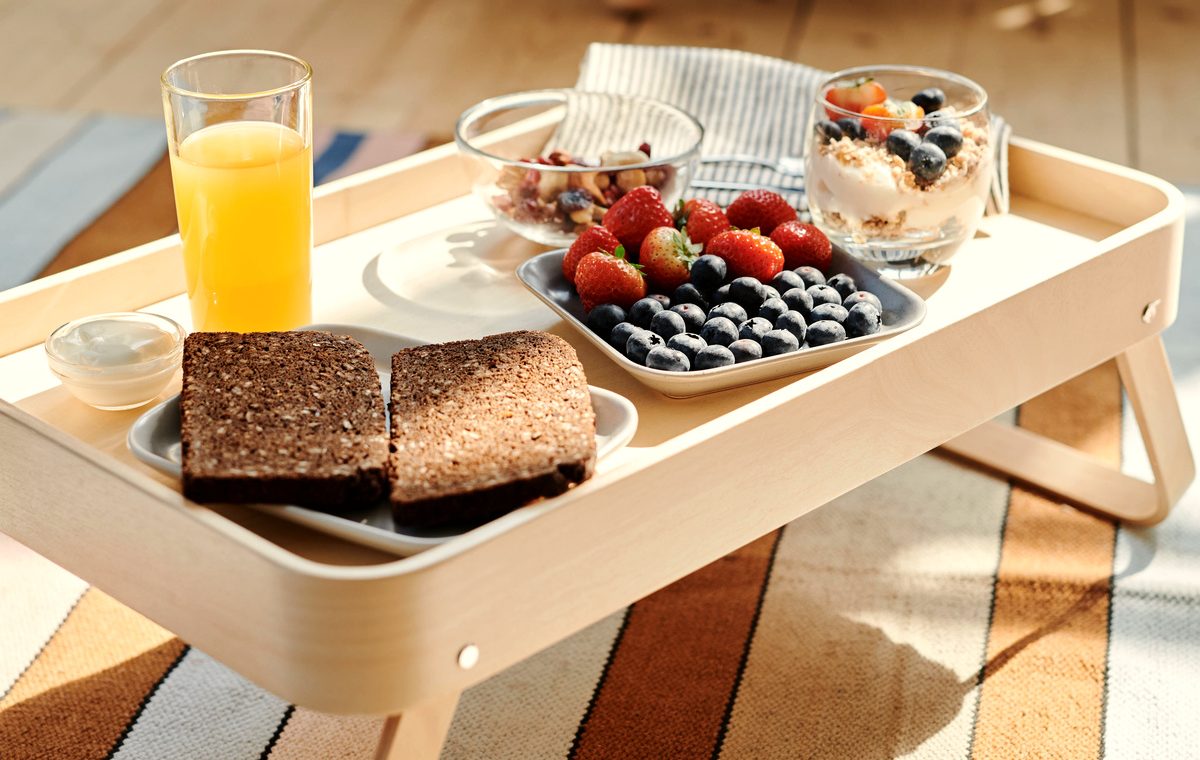
The first trimester mainly covers weeks 1 to 12. During these weeks, appetite, smells, textures and energy can change quickly, so useful food guidance needs to work on both easier days and days when eating feels difficult. This guide focuses on manageable UK foods, first-trimester meal choices, time-sensitive supplements, hydration, concise food-safety actions and signs that need clinical help.
You do not need a perfect diet or extra food simply because you are pregnant. Aim for tolerated food and fluids first, then add variety as you can. For the broader picture across all stages of pregnancy, see our guide to pregnancy nutrition in the UK.
What matters most in weeks 1–12
Early pregnancy is not a test of dietary perfection. On a comfortable day, you may eat much as you did before pregnancy. On a difficult day, keeping down a drink and a few plain foods may be a meaningful achievement. Use this order of attention:
- Keep fluids going. Try small, frequent sips if a full glass is difficult.
- Eat what is manageable. Small meals, mini-meals or plain foods are reasonable when a usual meal feels impossible.
- Take folic acid as advised. The standard recommendation is time-sensitive through the first 12 weeks.
- Follow the vitamin D guidance for your nation and circumstances.
- Apply pregnancy food-safety rules now.
- Get help when symptoms are severe, persistent or affecting hydration, weight or daily life.
NICE maternal and child nutrition guidance for England says a special diet is not required beyond avoiding particular foods and drinks and following supplement advice. RCOG guidance also states that extra calories are not needed in the first two trimesters. Individual needs may differ when there is a medical condition, multiple pregnancy or significant weight change.
Appetite, nausea, hydration and urgent help
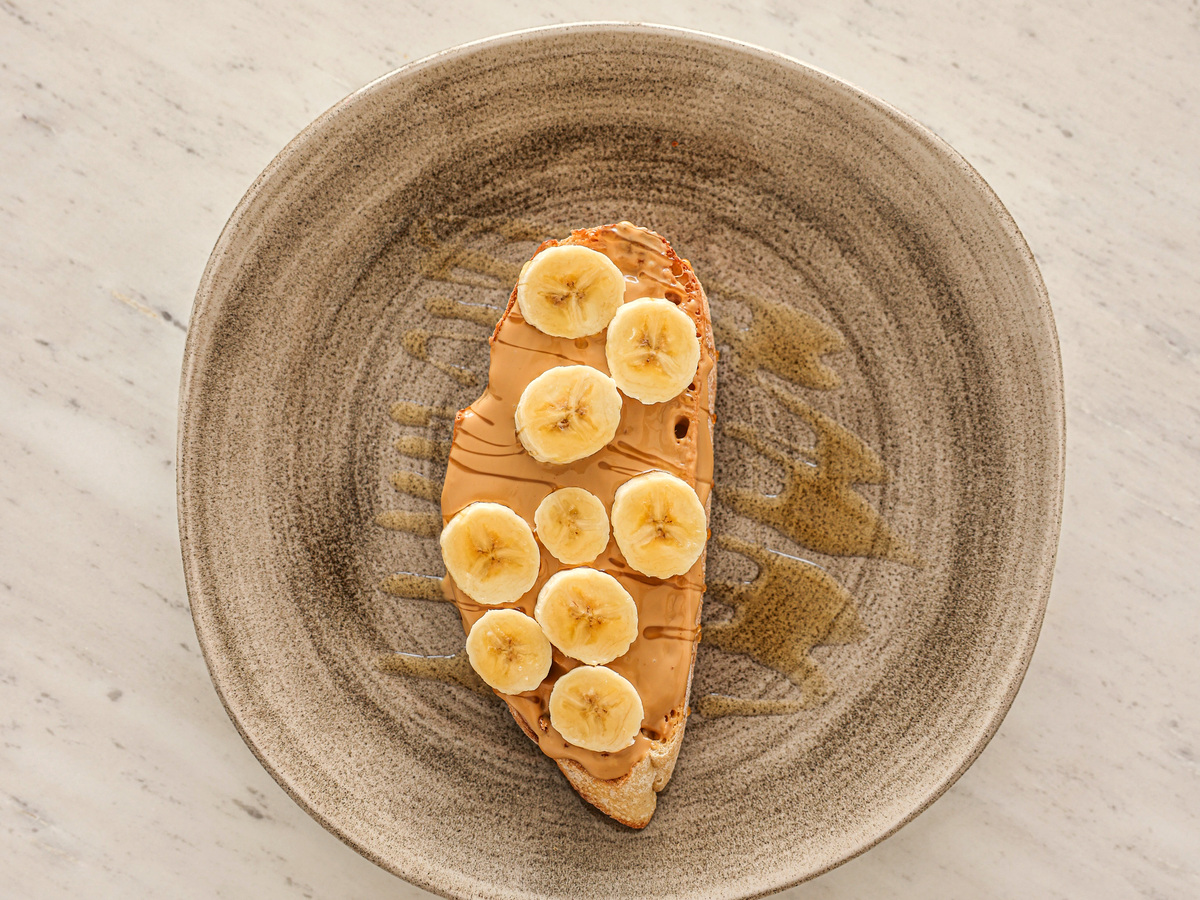
Pregnancy nausea can occur at any time of day. NHS guidance says it commonly begins around weeks 4 to 7 and often improves by weeks 16 to 20, although timing varies and some people have little or no nausea. Smells, heat, texture and portion size can all change what feels manageable.
For mild symptoms, NHS guidance on vomiting and morning sickness suggests small frequent meals, plain carbohydrate-rich foods, cold food when cooking smells are difficult and fluids little and often. Practical options include toast, crackers, oatcakes, rice, pasta, cereal, a cold sandwich with a pregnancy-safe filling, yoghurt or fruit if tolerated. These foods do not cure nausea; use your own response rather than forcing a food that makes you feel worse.
A temporarily narrow range is not a moral failure. If plain toast or crackers are all you can manage at one moment, try adding yoghurt, nut butter, beans, fruit or another tolerated food later. Ginger-containing food or drink may help some people with mild-to-moderate symptoms, but it is not a guaranteed remedy; check ginger supplements with a pharmacist or clinician.
A general food-guide orientation is about 6 to 8 cups or glasses of fluid a day, but this is not a personalised target or a treatment for vomiting. When drinking is difficult, try frequent small sips of water, diluted squash, milk, a suitable fortified plant drink, soup or another tolerated drink. Caffeinated drinks count towards the pregnancy caffeine limit.
Flexible first-trimester meals
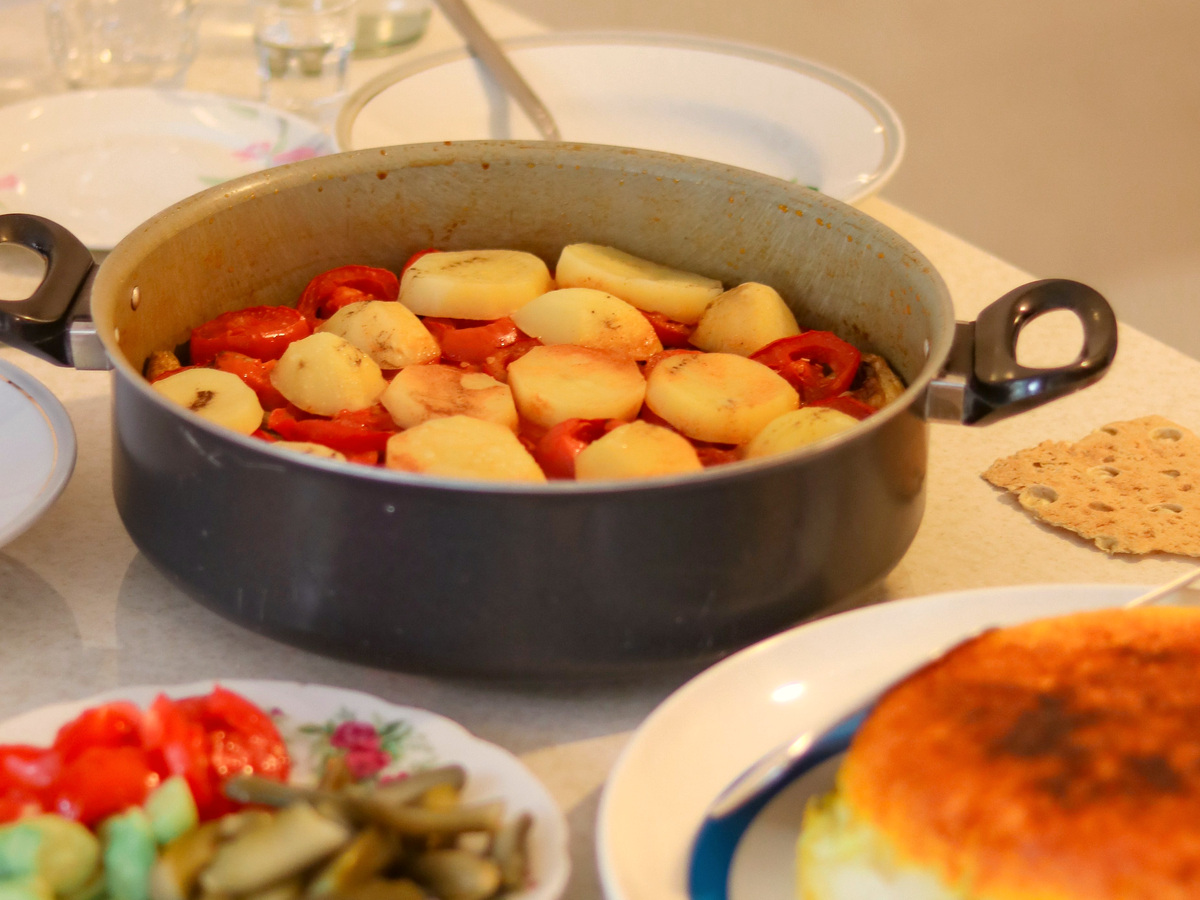
When appetite permits, choose two or three parts from the table below. A smaller mini-meal is still useful when a full plate is unappealing.
| Meal part | UK food examples | Low-effort use |
|---|---|---|
| Starchy food | Toast, oats, fortified cereal, potato, rice, pasta, chapatti, pitta or crackers | Use as a plain base when richer food is difficult. |
| Protein food | Beans, lentils, eggs, yoghurt, cheese, tofu, mycoprotein, fish, poultry, meat, nuts or seeds | Add a small amount to toast, potato, rice or a snack. |
| Fruit or vegetables | Banana, citrus, berries, tinned fruit in juice, peas, frozen vegetables, salad or cooked vegetables | Choose fresh, frozen or tinned forms; wash fresh produce thoroughly. |
| Calcium-containing food | Pasteurised milk or yoghurt, permitted cheese, or a calcium-fortified alternative | Use with cereal, as a snack, in a sandwich or beside a meal. |
Examples for different parts of the day
| Time | Examples | If appetite or smell tolerance is low |
|---|---|---|
| Morning | Porridge with fruit and yoghurt; fortified cereal with milk; toast with nut butter or egg | Start with dry toast or crackers and add something else later. |
| Midday | Soup and bread; beans on toast; baked potato; sandwich or pitta; dal with rice or chapatti | Try half a sandwich, a mug of soup or cold components. |
| Evening | Pasta with lentil or meat sauce; fish with potato and peas; chicken and rice; tofu and vegetable noodles | Serve components separately, choose the least aromatic parts or save a small portion for later. |
| Mini-meal | Fruit and yoghurt; oatcakes and hummus; toast and nut butter; cereal and milk; crackers and permitted cheese | Choose one item now and add the second only if it feels manageable. |
These are patterns, not an exhaustive meal library or a prescribed plan. Keep a few low-effort options available, but leave detailed breakfasts, lunches, dinners, snacks, grocery lists and weekly planning to the dedicated guides listed below.
Folic acid in the first 12 weeks
NHS pregnancy vitamin guidance and NICE recommend 400 micrograms (0.4 mg) of folic acid each day, ideally from about 3 months before conception or as soon as pregnancy is known, through at least the first 12 weeks. If you did not take it before pregnancy, start when you find out. Food folate from foods such as leafy vegetables, broccoli, peas, beans, lentils, chickpeas, citrus fruit and fortified cereals complements but does not replace the supplement.
Some people are prescribed 5 mg because of a defined increased-risk situation. Do not select this dose yourself or combine products to reach it; ask your GP, midwife, pharmacist or specialist team.
Official wording differs by nation. NICE NG247 for England says a BMI of 25 kg/m² or above, by itself, is not a reason to take more than 400 micrograms unless another listed risk factor applies. NHS inform Scotland still lists BMI 30 or above as a situation in which a midwife or GP may advise 5 mg. Follow the guidance and maternity advice for where you live rather than blending the two rules.
Vitamin D and supplement checks
England-facing NHS guidance and NICE recommend 10 micrograms (400 IU) of vitamin D daily from October through March, and throughout the year for people at increased risk of deficiency, including people with darker skin or little sunlight exposure. NHS inform Scotland and current RCOG public guidance advise 10 micrograms every day throughout pregnancy. Follow the guidance for your nation and advice from your maternity team rather than combining schedules.
NHS guidance says not to take more than 100 micrograms of vitamin D a day because it could be harmful. If vitamin D has been prescribed, take it only as directed and ask the prescriber before combining it with another supplement.
- Do not take cod-liver oil during pregnancy.
- Avoid supplements containing vitamin A as retinol.
- Check ordinary multivitamins because products not designed for pregnancy may contain retinol.
- Avoid liver and liver products.
If a pregnancy multivitamin worsens nausea, British Dietetic Association guidance notes that folic acid and vitamin D may be considered separately. Check before changing anything that has been prescribed.
Food safety from the start of pregnancy
Pregnancy increases the risk of serious effects from some foodborne infections. The dairy, egg, meat and prawn details below reflect current official guidance for England, Wales and Northern Ireland; joint FSA/Food Standards Scotland advice also supports the smoked and cured fish precaution. In Scotland, use NHS inform Ready Steady Baby and your maternity service for the full local food-safety rules. Detailed species limits and food-specific exceptions belong in the dedicated safety guides.
- Dairy and cheese: choose pasteurised milk. Current official guidance permits pasteurised and unpasteurised hard cheeses and specified pasteurised semi-hard and soft cheeses. Avoid the unpasteurised soft and semi-hard cheeses listed by the authorities, and cook soft mould-ripened and blue cheeses until steaming hot.
- Eggs: British Lion-marked hen eggs and hen eggs produced under the Laid in Britain scheme may be eaten raw or partially cooked. Cook other hen eggs and all non-hen eggs until the whites and yolks are solid.
- Meat and pâté: avoid raw or undercooked meat, liver, liver products and liver pâté. In England and Wales, keep other meat or vegetable pâté chilled and use it before its use-by date; Northern Ireland guidance says to avoid all pâté. Follow your nation’s official advice for cured meats.
- Fish and shellfish: avoid raw fish and raw shellfish. Pregnant people should avoid ready-to-eat cold-smoked or cured fish unless it is cooked thoroughly; cook cold, pre-cooked ready-to-eat prawns until steaming hot. Keep relevant pre-packed products chilled and use them before the use-by date.
- Produce and chilled food: wash fruit, vegetables and salad thoroughly, keep chilled food cold and follow use-by dates.
- Caffeine and alcohol: keep total caffeine to no more than 200 mg a day and do not drink alcohol during pregnancy.
See the official NHS foods-to-avoid guidance for England, NHS 111 Wales foods-to-avoid guidance and nidirect guidance for Northern Ireland.
Seek nation-appropriate urgent clinical advice if you feel unwell after consuming a food or drink that pregnancy guidance says to avoid, if vomiting and diarrhoea last more than 48 hours, or if you have symptoms of listeriosis or toxoplasmosis. This is separate from ordinary pregnancy nausea.
Restricted diets and severe aversions
The first-trimester concern is not whether a vegetarian, vegan or other restricted diet is automatically adequate or inadequate. It is whether an existing restriction plus nausea, vomiting or aversion has removed too many dependable foods.
Use beans, lentils, tofu, mycoprotein, nuts, seeds, wholegrains, fruit and vegetables, with eggs and dairy where included. Vegan diets need a reliable vitamin B12 source and deliberate attention to iodine, calcium, vitamin D, iron, protein and omega-3 foods. Plant-drink fortification varies. Ask a midwife, GP, pharmacist or dietitian before using an iodine supplement, particularly if you have thyroid disease.
Seek individual advice if you cannot rely on fortified foods, avoid several major food groups, have a condition affecting nutrition, are losing weight, cannot tolerate prescribed supplements or can manage only a very small range for a prolonged period.
First-trimester differences across the UK
Most practical food ideas are shared across the UK. The immediate differences worth knowing are narrower:
- England: NHS and NICE provide the supplement wording and the 8-hour/24-hour vomiting prompts used above. Eligible people may use Healthy Start after 10 weeks of pregnancy.
- Scotland: NHS inform advises 10 micrograms of vitamin D daily throughout pregnancy and retains the BMI 30 wording for possible 5 mg folic acid advice. Scotland uses Best Start Foods.
- Wales: NHS 111 Wales stresses early help for severe vomiting before dehydration and weight loss develop. Healthy Start is available subject to eligibility.
- Northern Ireland: use nidirect and local maternity or urgent-care routes for food-safety and symptom questions. Eligible people can access Healthy Start and locally distributed vitamins.
Selected official guidance used
- NHS England-facing guidance on vomiting and morning sickness
- NHS England-facing pregnancy vitamin and supplement guidance
- NICE maternal and child nutrition recommendations for England
- NHS inform Scotland vitamins and minerals in pregnancy
- NHS 111 Wales foods to avoid in pregnancy
- nidirect foods to avoid in pregnancy
- Food Standards Scotland guidance for people at higher risk of food poisoning, reflecting the joint Food Standards Agency/Food Standards Scotland advice on ready-to-eat cold-smoked and cured fish
Practical takeaway
In the first trimester, prioritise tolerated fluids and food, then rebuild variety as appetite permits. Use small meals or mini-meals when they are easier, take folic acid according to current guidance, follow the vitamin D advice for your nation and apply food-safety rules from the start. Persistent vomiting, dehydration, weight loss, severe restriction or symptoms that disrupt daily life need clinical support.
For pregnancy-wide food, nutrient and safety context, return to our UK pregnancy nutrition guide.
This article provides general nutrition information and does not diagnose a condition or replace advice from your midwife, GP, pharmacist, dietitian or maternity service.
![How to Fall Asleep Fast? [10 Proven Ways for Better Rest]](https://preggiebites.com/wp-content/uploads/2025/08/how-to-fall-asleep-fast-640x480.jpg)

![10 Essential Mother Care Tips After Delivery [In 2025]](https://preggiebites.com/wp-content/uploads/2025/08/Mother-Care-After-Delivery-640x480.jpg)