
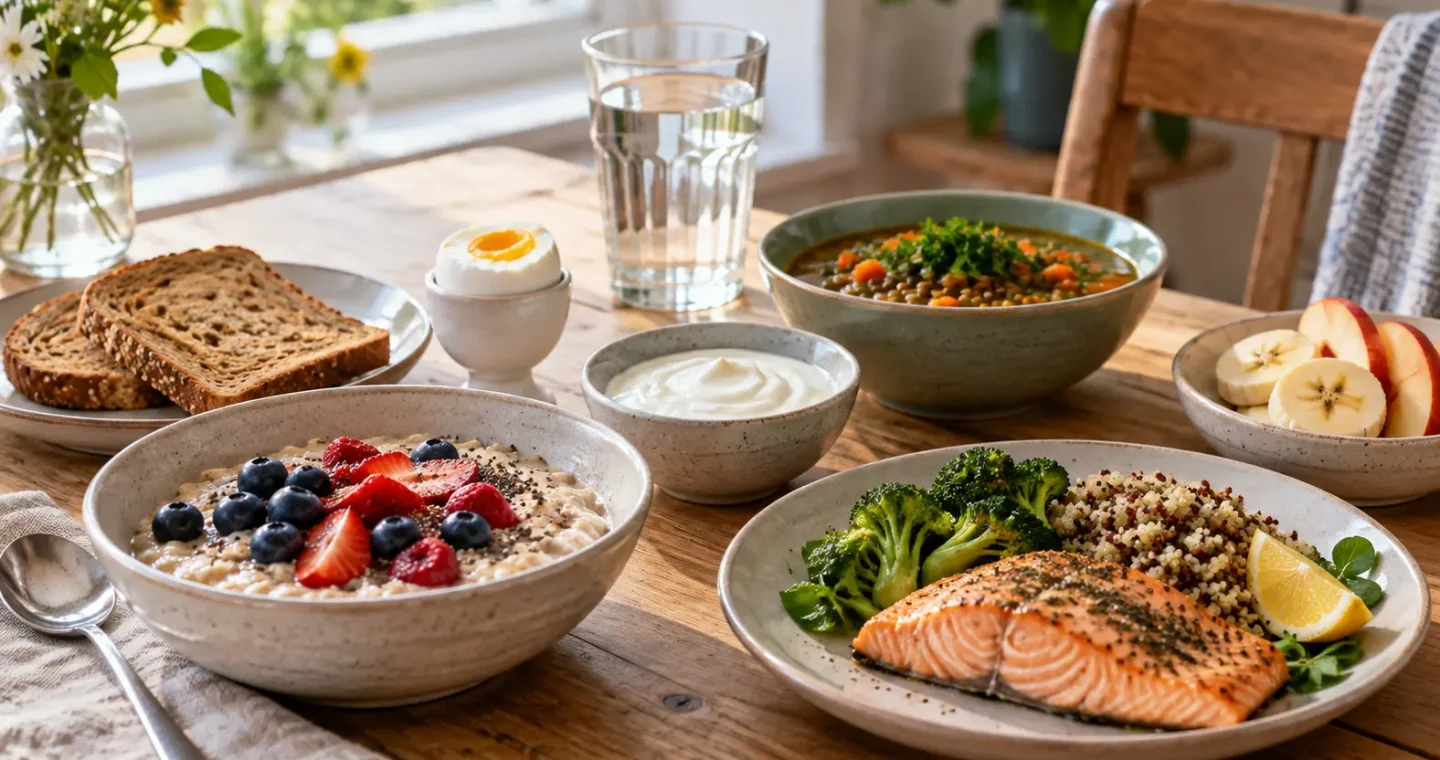
The second trimester broadly covers weeks 13 to 27 of pregnancy. For some people, this stage feels easier than the earliest weeks, and nausea may begin to settle. But that is not universal. Some people still feel sick, deal with strong food aversions, or find that the foods they can manage change from week to week.
Appetite and digestion can also keep shifting during this part of pregnancy. Even if you are able to eat a wider range of foods than before, meal size, food tolerance and overall comfort may still need adjusting. Indigestion, heartburn and constipation can all continue to affect eating choices during the second trimester.
This guide focuses on the practical side of eating in weeks 13–27: everyday foods, the main nutrition priorities for this stage, changing appetite, common food-related symptoms, food safety and where UK guidance matters. For the wider picture, start with our parent guide, Pregnancy Nutrition in the UK. If you are still mainly dealing with early-pregnancy sickness or very limited food tolerance, it may also help to read First Trimester Foods in the UK.
What matters most in weeks 13–27
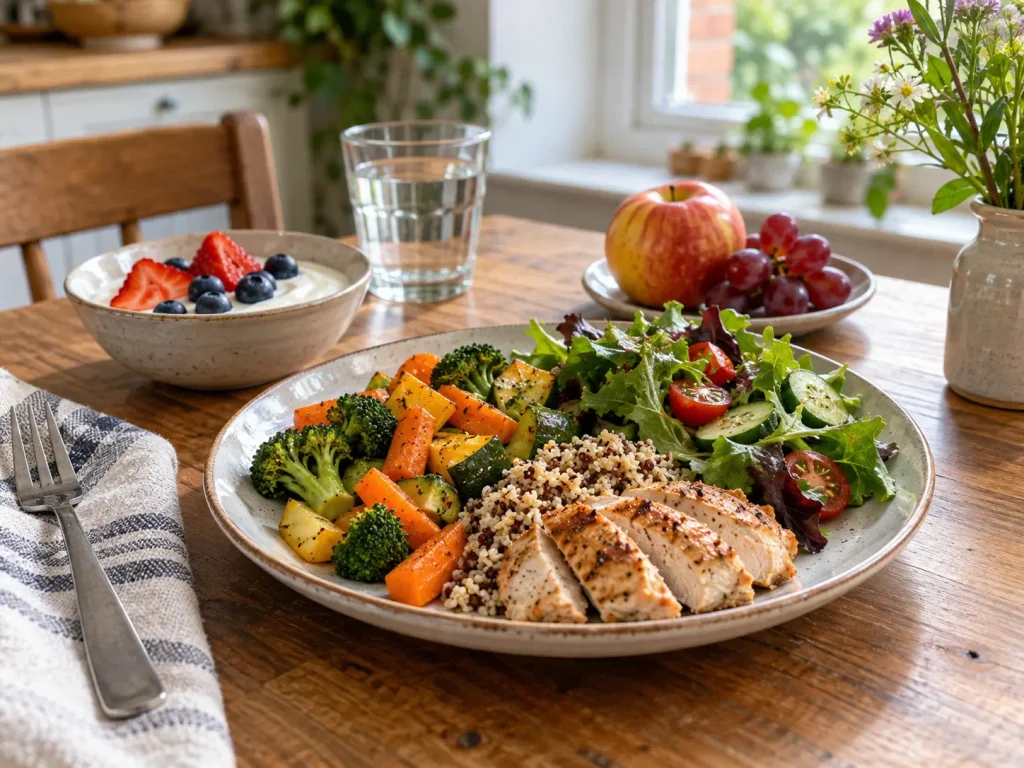
Reaching week 13 does not mean your diet suddenly needs to change. The same foundations of healthy eating continue through pregnancy: a varied pattern of foods across the main food groups, rather than a special “pregnancy diet”. The aim is balance over time, not trying to make every meal perfect.
For most people, that means continuing to build meals around fruit and vegetables, starchy foods, protein-containing foods, and dairy or suitable alternatives. UK guidance recommends at least five portions of varied fruit and vegetables a day, while foods such as potatoes, bread, rice, pasta and other starchy carbohydrates provide energy, fibre and other nutrients. Protein can come from foods including beans and pulses, eggs, fish, poultry, meat, nuts and other suitable options. Milk, yoghurt and cheese can provide calcium; if you use plant-based alternatives, it is worth choosing unsweetened, calcium-fortified versions.
How you arrange those foods can depend on how you feel. If your appetite is comfortable, ordinary meals and nutritious snacks may work well. If you become uncomfortably full or develop indigestion or heartburn, smaller meals more often may be more manageable. There is no need to force larger portions simply because you are in the second trimester.
Fluids matter too. Drinking regularly through the day helps you stay hydrated. NHS guidance uses 6–8 cups or glasses of fluid a day as a general guide for most people, while also noting that pregnancy can increase fluid needs. Water is a simple option, and milk and other suitable drinks can also contribute. Rather than treating 6–8 glasses as a fixed prescription, it is better to use it as a starting point and make sure you are drinking enough to avoid dehydration.
Supplements also need a little context at this stage. Routine 400 microgram folic acid supplementation is recommended until the end of the first 12 weeks, so it is not normally introduced as a new second-trimester requirement. Current NHS pregnancy guidance recommends 10 micrograms (400 IU) of vitamin D daily between early October and late March, with year-round supplementation recommended for some people who are less likely to make enough vitamin D from sunlight, such as those who spend little time outdoors, usually cover most of their skin, or have darker skin. Some NHS maternity services and professional guidance advise 10 micrograms throughout pregnancy, so follow the advice for your maternity service and individual circumstances. If your midwife or GP has identified a deficiency or prescribed a supplement — for example, iron for anaemia — follow that treatment plan rather than replacing it with general dietary advice. Avoid supplements containing vitamin A in the form of retinol during pregnancy unless specifically advised by a healthcare professional. nhs.uk
Pregnancy is also not a reason to “eat for two”. NHS guidance says extra portions are not needed simply because you are pregnant and refers to an additional 200 calories a day only in the final three months of pregnancy. In other words, during weeks 13–27 the focus is usually on the quality, variety and practicality of what you eat, not on deliberately adding a fixed number of calories. Individual needs can differ, especially with multiple pregnancy, significant weight change, diabetes, persistent vomiting or another medical condition, so personalised advice should come from your midwife, GP or dietitian.
A simple second-trimester framework
| Priority | Practical approach |
|---|---|
| Variety | Include foods from the main food groups across the day and week rather than aiming for a perfect plate every time. |
| Fruit and vegetables | Aim for a variety, including fresh, frozen, canned or other appropriate forms. |
| Starchy foods | Include foods such as potatoes, bread, rice, pasta or other grains; choose higher-fibre or wholegrain options when they suit you. |
| Protein foods | Include a source such as beans, lentils, eggs, fish, poultry, meat, nuts or another suitable alternative. |
| Calcium-containing foods | Include suitable dairy foods or unsweetened calcium-fortified alternatives. |
| Meal pattern | Eat in a pattern that suits your appetite; smaller, more frequent meals may be more comfortable if heartburn or fullness is an issue. |
| Fluids | Drink regularly through the day and increase fluids when circumstances require it. |
| Supplements | Continue supplements that apply to your stage of pregnancy or have been prescribed specifically for you. |
A practical way to build second-trimester meals
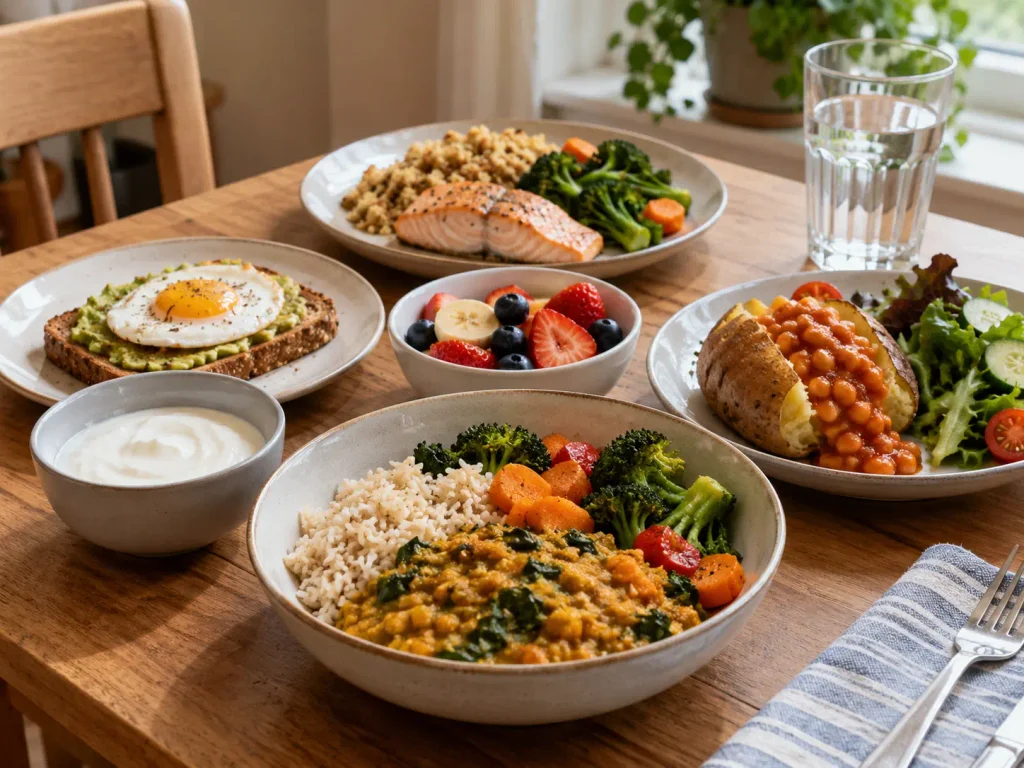
A useful way to think about second-trimester meals is to combine a few food groups rather than follow a rigid meal plan. NHS pregnancy guidance emphasises variety across the day and week, and the British Dietetic Association also recommends including foods from the main food groups regularly. That still leaves plenty of room for different household traditions, budgets, appetites and cultural preferences.
A simple framework is to start with a starchy food, add a protein-containing food, include vegetables or fruit, and add a calcium-containing food or fortified alternative where it fits naturally. For example, that could mean rice with dal and vegetables plus yoghurt; chapatti with beans or chicken and cooked vegetables; potatoes with fish and peas; pasta with beans or poultry and vegetables; or porridge with milk or a fortified alternative and fruit. These are examples, not a prescribed menu, and there is no single “British” way to eat well in pregnancy.
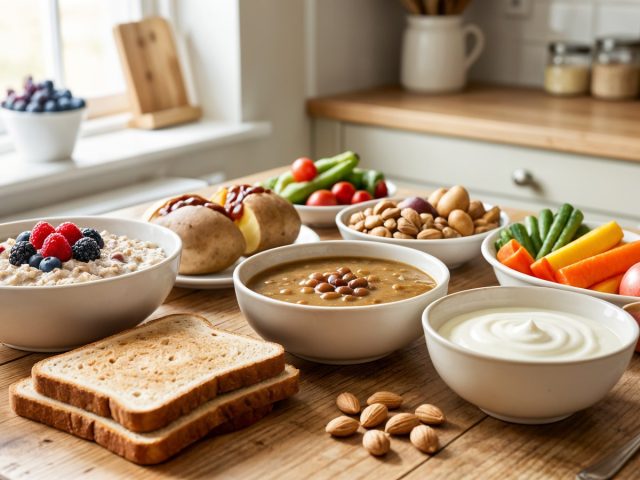
You also do not need to make every plate look identical or include every component at every sitting. NHS guidance notes that dietary balance can be achieved over the course of a day or week rather than at every individual meal. If appetite is variable, smaller combinations can still work well — such as toast with egg and fruit, yoghurt with oats and berries, or a small baked potato with beans — while keeping the overall pattern varied.
| Meal component | Examples | Easy ways to use it |
|---|---|---|
| Starchy food | Porridge, wholemeal toast, potatoes, rice, pasta, chapatti, oats | Use as the base of a meal; choose wholegrain or higher-fibre versions when practical and well tolerated. |
| Protein food | Dal, beans, lentils, eggs, tofu, fish, chicken or other poultry, nuts | Add one alongside the starchy base — for example dal with rice, egg with toast, tofu with noodles, or fish with potatoes. |
| Vegetables or fruit | Peas, spinach, carrots, peppers, tomatoes, mixed vegetables, berries, banana, apples, oranges | Add vegetables to the main dish or serve fruit alongside; fresh, frozen and canned options can all be useful. |
| Calcium-containing food | Milk, yoghurt, cheese, calcium-fortified soya or other plant-based alternatives | Include where it suits the meal — for example milk with porridge, yoghurt beside rice and dal, or a fortified plant drink with a snack or meal. |
Key nutrients during the second trimester
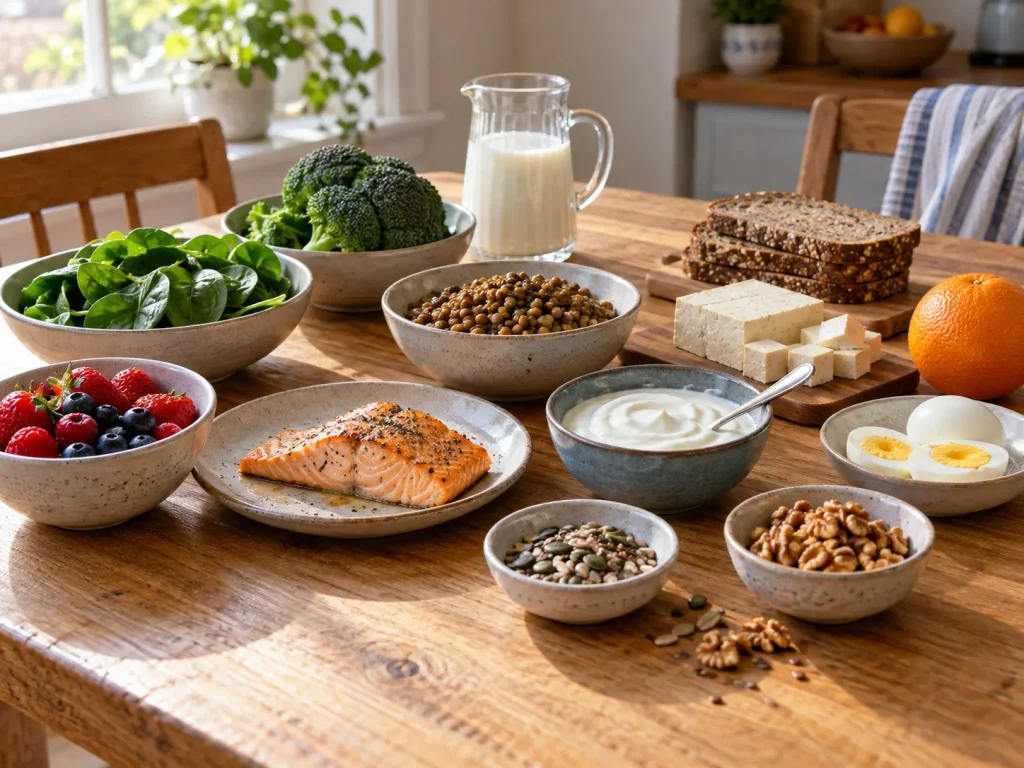
The second trimester does not require a completely different nutrient strategy from the rest of pregnancy. The practical priority is still a varied diet that supplies nutrients from food, alongside the specific supplements recommended by UK public-health guidance and any treatment prescribed because blood tests or clinical assessment have identified a deficiency. NHS guidance notes that most vitamins and minerals should come from a healthy, varied diet, with particular supplement advice applying to folic acid and vitamin D.
Iron
- Why it matters: Iron is needed to make haemoglobin, which carries oxygen in the blood. It can become harder to meet iron needs as pregnancy progresses.
- Food sources: Meat and poultry, eggs, lentils, beans, tofu, nuts and seeds, wholegrains, fortified cereals and green leafy vegetables.
- Supplement / clinical note: Routine iron tablets are not recommended for everyone in pregnancy. Haemoglobin is usually checked at the booking appointment and again at around 28 weeks, and iron treatment may be recommended if anaemia is identified or there is a particular clinical risk. If iron has been prescribed, follow the advice and dose given by your maternity team rather than self-starting another supplement.
Calcium
- Why it matters: Calcium supports the development of the baby’s bones and is also needed for normal functions in the mother’s body.
- Food sources: Milk, yoghurt and suitable cheeses, plus plant alternatives that are fortified with calcium.
- Supplement / clinical note: Current NHS public guidance focuses on getting calcium through food and does not advise a routine calcium supplement for every pregnancy.
Vitamin D
- Why it matters: Vitamin D supports bone and muscle health and fetal development.
- Food sources: Oily fish, eggs and fortified foods provide some vitamin D.
- Supplement / clinical note: This is one area where UK nation-specific wording differs. England/NHS guidance recommends 10 micrograms (400 IU) daily between early October and late March during pregnancy, with year-round supplementation for people with very limited sun exposure and consideration of year-round use for people with black or brown skin. NHS inform Scotland recommends 10 micrograms every day during pregnancy, and Scottish vitamin D guidance lists all pregnant and breastfeeding women among the groups advised to take it throughout the year.
Iodine
- Why it matters: Iodine is needed for thyroid hormones and is important for fetal brain and bone development.
- Food sources: Milk and dairy products, fish and eggs. Some plant drinks are fortified with iodine, but many are not, so the label matters.
- Supplement / clinical note: There is no official UK recommendation for routine iodine supplementation for everyone in pregnancy. People who eat little or no dairy and fish — including some vegan diets — should discuss intake with a midwife, GP or dietitian. Kelp or seaweed supplements should not be used casually as an iodine strategy because their iodine content can be very high and variable.
Vitamin B12
- Why it matters: Vitamin B12 helps with red-blood-cell formation and normal nervous-system function.
- Food sources: It occurs naturally mainly in animal foods. Eggs and dairy can contribute for some vegetarians, while fortified foods can help on plant-based diets.
- Supplement / clinical note: B12 is particularly important to review if animal-source foods are limited or absent. Vegan diets need reliable fortified foods and may require supplementation. If you eat little or no animal food, it is worth discussing B12 — alongside iodine and other potentially vulnerable nutrients — with a healthcare professional rather than relying on an unfortified plant-based diet.
Omega-3 fats
- Why it matters: Long-chain omega-3 fats contribute to nervous-system development.
- Food sources: Oily fish such as salmon, sardines, trout, mackerel and herring provide EPA and DHA. Plant foods such as walnuts, flaxseed and rapeseed oil provide ALA.
- Supplement / clinical note: NHS advice is to aim for two portions of fish a week, including one portion of oily fish, while having no more than two portions of oily fish weekly during pregnancy because of pollutants. Plant ALA should not be presented as nutritionally identical to preformed EPA and DHA. Fish-liver oils such as cod liver oil should be avoided in pregnancy because they can contain high levels of vitamin A.
Folate after 12 weeks
- Why it matters: Folate remains part of a nutritious diet throughout pregnancy.
- Food sources: Leafy green vegetables, lentils, beans, chickpeas and some fortified cereals or breads.
- Supplement / clinical note: Routine folic acid supplementation for prevention of neural-tube defects is specifically recommended at 400 micrograms daily until the end of the first 12 weeks. It should not be presented as though everyone automatically needs to continue that same routine dose throughout weeks 13–27. NHS guidance notes that taking it for longer is not harmful, and some people may have a separate reason to continue prescribed folic acid; if your GP or maternity team has given different instructions, follow those.
Protein and fibre
Protein and fibre are better thought of as everyday dietary priorities than supplements.
- Protein
- Why it matters: Protein provides amino acids needed for growth and tissue formation.
- Food sources: Beans, lentils and other pulses, tofu, eggs, fish, poultry, meat and nuts.
- Supplement / clinical note: NHS pregnancy guidance recommends eating protein-containing foods every day. There is no need to turn this into a personalised gram target here.
- Fibre
- Why it matters: Fibre supports bowel function and can help reduce the likelihood of constipation, which is common during pregnancy.
- Food sources: Wholegrain breads and cereals, oats, fruit, vegetables, beans and lentils.
- Supplement / clinical note: Fibre is usually obtained through food. Detailed symptom management for constipation comes later in this guide.
Appetite and energy needs in the second trimester
Appetite does not follow one predictable pattern during weeks 13–27. Some people feel hungrier as early-pregnancy nausea eases, while others notice little change. Appetite can also fluctuate from day to day, and nausea, food aversions, bloating, indigestion or heartburn may still affect what and how much feels comfortable. Pregnancy sickness often improves as pregnancy progresses, but that does not happen at the same time — or at all — for everyone.
Pregnancy also does not mean you need to “eat for two”. Current NHS guidance places an additional 200 calories a day in the final three months of pregnancy, rather than as a routine second-trimester recommendation. NHS inform Scotland gives the same timing and amount. This is general public-health guidance, not a personalised calorie target, so there is no need to deliberately add a fixed number of calories during weeks 13–27 simply because you have entered the second trimester.
If you do feel noticeably hungrier, it can be more useful to make your existing meals or snacks a little more substantial than to focus on calorie counting. For example, you might:
- add a nutritious snack between meals;
- include a protein-containing food such as yoghurt, eggs, beans, lentils, tofu, nuts or seeds;
- add fruit or vegetables;
- include a little more wholegrain bread, oats, potatoes, rice, pasta or another starchy food;
- include milk, yoghurt, suitable cheese or a calcium-fortified alternative where appropriate.
The aim is to respond to hunger with foods that contribute to the overall diet, rather than assuming pregnancy requires oversized portions. The same basic pattern still applies: fruit and vegetables, starchy foods, protein-containing foods, and dairy or suitable alternatives across the day and week.
Larger meals are not always more comfortable. If indigestion, heartburn, nausea or an uncomfortable feeling of fullness makes eating difficult, smaller meals more often may be easier to manage. NHS guidance on indigestion and heartburn in pregnancy recommends smaller, more frequent meals where this helps, and similar advice appears in Scottish pregnancy guidance.
Individual needs can differ with multiple pregnancy, medical conditions, significant weight change, persistent vomiting, or ongoing difficulty eating enough or keeping food and fluids down. In those situations, general appetite advice is not a substitute for individual assessment from your midwife, GP, obstetric team or registered dietitian.
When digestion and appetite still make eating difficult
Digestive symptoms can still affect eating well into the second trimester. The aim is not to find a “perfect” symptom diet, but to make food and fluids easier to manage while watching for symptoms that need professional advice.
Constipation
Constipation is common during pregnancy, and UK guidance generally focuses on fibre, fluids and regular activity where appropriate. If your usual diet is fairly low in fibre, increasing it gradually may be more comfortable than making a sudden large change.
Practical options include:
- wholemeal or higher-fibre bread and breakfast cereals;
- oats or porridge;
- fruit and vegetables;
- beans, lentils and chickpeas;
- drinking water and other suitable fluids regularly through the day;
- staying physically active within the exercise advice that applies to your pregnancy.
Iron supplements can sometimes worsen constipation. If you are taking prescribed iron, do not stop it on your own. Speak with your doctor, midwife or pharmacist if constipation is becoming difficult to manage, as they can advise on symptom management or whether a different preparation may be appropriate.
Heartburn and reflux
Heartburn and indigestion can become more noticeable as pregnancy progresses, and feeling very full may make symptoms worse. NHS pregnancy guidance suggests smaller meals more often rather than very large meals, sitting upright while eating and afterwards, and leaving about three hours between eating and going to bed.
Rich, fatty or spicy foods and caffeinated drinks can aggravate symptoms for some people, but they do not need to be treated as universal pregnancy bans. It is more useful to notice which foods make your own symptoms worse and adjust those where needed.
If food and lifestyle changes are not enough, ask a pharmacist, midwife, GP or maternity team about treatment that is suitable during pregnancy rather than choosing a medicine without checking first.
Lingering nausea or food aversions
Pregnancy nausea often improves by around 16–20 weeks, but for some people it lasts longer. Food aversions and sensitivity to smells can also continue beyond the first trimester.
If eating still feels difficult, some of the same gentle strategies used earlier in pregnancy may remain useful:
- eat small amounts more frequently instead of forcing a large meal;
- choose plain foods such as toast, crackers, rice, pasta or potatoes if these are easier to tolerate;
- try cold foods if cooking smells or hot food trigger nausea;
- sip fluids little and often rather than trying to drink a large amount at once;
- avoid foods or smells that reliably make symptoms worse;
- prioritise foods you can tolerate instead of repeatedly forcing foods that increase nausea.
These approaches are intended to make eating more manageable. They do not cure nausea or replace treatment when symptoms are significant.
Seek advice from your midwife, GP, maternity team or the urgent-care service appropriate to where you live if you are unable to keep food or fluids down, have signs of dehydration, are losing weight, have persistent or severe vomiting, develop significant abdominal pain, vomit blood, or find that symptoms are worsening or seriously interfering with daily life. Very dark urine, passing much less urine, dizziness or faintness can also suggest dehydration and deserve prompt advice.
Quick symptom guide
| Symptom | Food or eating approaches that may help | When to ask for advice |
|---|---|---|
| Constipation | Increase fibre gradually; include wholegrains, oats, fruit, vegetables and pulses; drink regularly | If it persists, is troublesome, or seems linked to prescribed iron |
| Heartburn / reflux | Try smaller meals, avoid becoming overly full, stay upright after eating and leave time before bed | If symptoms remain difficult despite changes or you need advice about pregnancy-suitable treatment |
| Nausea / food aversions | Try small frequent meals, plain or cold foods, avoid troublesome smells and sip fluids regularly | If you cannot keep food or fluids down, become dehydrated, lose weight or vomiting is persistent or severe |
Food safety during the second trimester
Pregnancy food-safety advice continues throughout weeks 13–27; reaching the second trimester does not remove the precautions that apply earlier in pregnancy. Most foods remain safe, but some higher-risk foods need to be avoided, limited or prepared differently. Guidance is broadly similar across the UK, although a few important differences are worth keeping separate.
Dairy and cheese
Pasteurised milk, yoghurt, cream and other pasteurised dairy products are generally suitable during pregnancy. Hard cheeses such as cheddar, Parmesan and Gruyère are also permitted, including hard cheeses made from unpasteurised milk. Many pasteurised soft cheeses, including cottage cheese, mozzarella, feta, paneer, ricotta and halloumi, are also suitable.
Soft mould-ripened cheeses with a white rind, such as Brie and Camembert, and soft blue cheeses such as Gorgonzola or Roquefort should be cooked until steaming hot before eating. Avoid unpasteurised milk, cream, yoghurt and other dairy products that current pregnancy guidance specifically lists as unsafe; check the packaging if you are unsure.
Eggs
Hen eggs carrying the British Lion mark or produced under the Laid in Britain scheme can be eaten raw, runny or fully cooked. Other hen eggs should be thoroughly cooked, and duck, goose and quail eggs should also be cooked until the white and yolk are firm.
There is an additional practical precaution in Scotland. Food Standards Scotland advises pregnant people to choose thoroughly cooked eggs when eating out because the assurance status of the eggs may not be known. At home, its guidance still allows raw or lightly cooked British Lion or Laid in Britain hen eggs.
Meat, pâté and cured meats
Avoid raw or undercooked meat and liver and liver products during pregnancy. Liver is particularly high in vitamin A, while raw or inadequately cooked meat can carry organisms that cause foodborne illness.
Cold cured meats such as salami, pepperoni, chorizo and prosciutto should be cooked thoroughly or until steaming hot where current guidance requires this.
Official pâté advice is not completely aligned. Northern Ireland guidance says to avoid all types of pâté, including vegetarian pâté, and the NHS listeriosis guidance also advises pregnant people to avoid all pâté. However, the current NHS pregnancy-specific page for England treats chilled meat pâté and vegetable pâté as foods that require careful refrigeration and attention to the use-by date rather than listing all pâté as an outright avoidance.
Because the official wording differs, follow the current advice for where you live and your maternity service. If you prefer one simple cautious approach, avoiding pâté removes that uncertainty.
Fish and shellfish
Current NHS guidance advises avoiding raw fish and raw shellfish, including sushi made with raw fish or shellfish. Cooked fish, cooked shellfish and sushi made with cooked fish or shellfish are suitable choices.
Pregnant people should also avoid ready-to-eat cold-smoked or cured fish, such as smoked salmon, smoked trout or gravlax, unless it has been cooked until steaming hot. Food Standards Scotland gives the same precaution because these products can carry listeria. Food Standards Scotland
Current England and Wales pregnancy guidance also says that cold, pre-cooked ready-to-eat prawns should be cooked until steaming hot before eating.
Fish can still be part of a healthy pregnancy diet, but keep the main limits in mind: have no more than two portions of oily fish a week, and no more than four cans of tuna or two tuna steaks a week.
Chilled foods and kitchen hygiene
Simple food-safety habits remain important throughout pregnancy:
- follow use-by dates;
- keep foods that need refrigeration properly chilled;
- keep raw foods separate from ready-to-eat foods;
- wash hands, utensils and preparation surfaces after handling raw foods;
- wash fruit, vegetables and salad ingredients thoroughly;
- follow cooking instructions and heat foods that require reheating until they are steaming hot throughout.
Caffeine and alcohol
Keep total caffeine intake to no more than 200 mg a day during pregnancy. Caffeine can come from coffee, tea, cola, energy drinks, chocolate and some medicines or supplements, so the total from all sources matters.
For alcohol, current UK advice is straightforward: the safest approach is not to drink alcohol during pregnancy.
Quick food-safety guide
| Category | Practical action | Important UK note |
|---|---|---|
| Dairy and cheese | Choose suitable dairy; cook mould-ripened and soft blue cheeses until steaming hot | Hard cheeses can be suitable even when made with unpasteurised milk |
| Eggs | Lion / Laid in Britain hen eggs may be runny; thoroughly cook other eggs | Scotland advises thoroughly cooked eggs when eating out |
| Meat | Avoid raw or undercooked meat and liver; cook cured meats as advised | Broadly similar across current national guidance |
| Pâté | Check the current guidance for where you live | Official UK sources are not fully aligned |
| Fish and shellfish | Avoid raw fish/shellfish; cook cold-smoked or cured fish until steaming hot | FSA/FSS precautions apply to cold-smoked and cured fish |
| Chilled foods | Keep cold, follow use-by dates and prevent cross-contamination | Good hygiene remains important throughout pregnancy |
| Caffeine | Keep total intake at or below 200 mg/day | Includes caffeine from all sources |
| Alcohol | Safest approach is no alcohol during pregnancy | Consistent UK public-health advice |
Vegetarian, vegan and restricted diets
Vegetarian and vegan diets can fit into pregnancy, including the second trimester, but the more foods that are excluded, the more deliberately the diet may need to be planned. NHS guidance emphasises a varied diet, dependable nutrient sources, fortified foods and appropriate supplements where needed rather than treating vegetarian or vegan eating as unsuitable by default.
Vegetarian diets
A varied vegetarian diet can provide a wide range of nutrients during pregnancy. The practical priority is to include several sources of protein, iron, vitamin B12 and calcium rather than relying heavily on one or two foods.
Useful options include:
- beans, lentils and chickpeas;
- eggs and dairy foods, if included;
- tofu and suitable soya foods;
- nuts and seeds;
- wholegrains and fortified cereals;
- fortified dairy alternatives where relevant.
Most vegetarians can obtain adequate protein and calcium from a varied diet, but iron and vitamin B12 deserve particular attention. Iron from plant foods is generally less readily absorbed than iron from meat, while vitamin B12 occurs naturally mainly in animal-derived foods. Fortified foods can therefore be particularly useful when eggs or dairy are eaten only occasionally.
Vegan diets
A well-planned vegan diet requires more deliberate attention to some nutrients because dependable food sources may be more limited.
Particular points to consider include:
- Vitamin B12: reliable provision is essential because natural vegan food sources are very limited. Fortified breakfast cereals, fortified soya products and other suitable fortified foods can contribute, and a supplement may be needed.
- Iodine: dairy products, fish and eggs are major UK sources, so vegan diets can contain relatively little iodine unless fortified foods are chosen. Some plant drinks contain added iodine and many do not, so check the label. Kelp or seaweed supplements should not be used casually because their iodine content can be highly variable and excessive.
- Calcium: calcium-set tofu, fortified plant drinks and yoghurts, pulses, tahini and some green vegetables can contribute. Choose products fortified with calcium rather than assuming every plant-based alternative provides the same amount.
- Vitamin D: fortified foods can contribute, but pregnancy-specific vitamin D supplement guidance still applies. Follow the advice relevant to where you live and any individual recommendation from your maternity team.
- Iron: lentils, beans, chickpeas, wholegrains, fortified cereals, nuts, seeds and green vegetables are useful sources. Including a vitamin-C-containing food with plant sources of iron may help absorption.
- Protein: beans, lentils, chickpeas, tofu, soya foods, nuts, seeds and suitable meat alternatives can provide protein across the day.
- Omega-3 fats: walnuts, chia seeds, flaxseed and rapeseed oil provide ALA. These plant sources should not be treated as nutritionally identical to the long-chain omega-3 fats EPA and DHA.
Fortification varies considerably between brands. A plant drink or plant yoghurt that contains calcium may not necessarily contain iodine, vitamin B12 or vitamin D, so check each nutrient on the label rather than assuming all alternatives are nutritionally equivalent.
Dairy-free and other restricted diets
Removing a whole food group can affect more than one nutrient. Replacing dairy, for example, is not only about finding another calcium source. Depending on the rest of the diet, iodine, vitamin B12, protein and vitamin D may also need consideration.
Other restrictions can add further complexity. Someone with coeliac disease, significant food allergies or several overlapping exclusions may have fewer convenient sources of particular nutrients. Coeliac disease can also be associated with nutritional deficiencies, and NHS guidance recommends dietetic support after diagnosis to help ensure a gluten-free diet remains nutritionally balanced.
When to seek individual advice
Speak with your midwife, GP or a registered dietitian if your diet is very limited, severe food aversions make it difficult to eat a reasonable variety, you cannot reliably use fortified foods, or you have conditions such as thyroid disease, anaemia, coeliac disease, significant food allergy or another condition affecting nutrient absorption.
Individual advice is also useful with multiple pregnancy, significant weight loss, prolonged vomiting or several overlapping dietary restrictions. These situations can make it harder to judge whether food alone is meeting your needs.
Do not start high-dose nutrient supplements simply because your diet is vegetarian, vegan or restricted. Supplement needs depend on the nutrient, your usual food intake, pregnancy guidance and, in some cases, blood tests or other clinical factors.
Yes — this is another strong section. The main job is tightening it for publication and fixing the table. I verified the important programme and vitamin-D details against current official sources. Healthy Start still applies outside Scotland, Best Start Foods remains Scotland’s scheme, Scottish pregnancy vitamins are free universally, and the national vitamin-D distinction you identified is real.
I’d publish it like this:
Pregnancy nutrition guidance and support across the UK
Guidance is broadly similar across the UK
Across England, Scotland, Wales and Northern Ireland, the foundations of pregnancy nutrition are broadly similar: eat a varied diet, include fruit and vegetables, starchy foods, protein foods and dairy or suitable alternatives, follow pregnancy food-safety advice, avoid alcohol and stay within recommended caffeine limits.
Folic acid is routinely recommended before conception and through the first 12 weeks of pregnancy, while antenatal care may include blood tests and additional nutritional advice where concerns such as anaemia arise. The exact wording and support available are not identical in every nation, however, so it is worth using the guidance that applies where you live.
Vitamin D differences
Vitamin D is one of the clearest national differences.
England-facing NHS guidance says pregnant people should consider taking 10 micrograms (400 IU) of vitamin D daily between October and March, with year-round supplementation advised for some people at greater risk of deficiency.
Scotland’s pregnancy-specific guidance advises taking 10 micrograms every day during pregnancy.
Wales broadly follows the seasonal approach, while Northern Ireland recommends 10 micrograms daily throughout the year for pregnant and breastfeeding women.
We covered these recommendations in more detail earlier in this guide. The practical point is to follow the advice for the UK nation where you receive maternity care rather than assuming that the wording is identical everywhere.
Healthy Start and Best Start Foods
Healthy Start operates in England, Wales and Northern Ireland. Scotland uses Best Start Foods instead.
If you are eligible for Healthy Start and are more than 10 weeks pregnant, you can receive money on a prepaid card to help buy specified foods, including milk, fruit, vegetables and pulses. People receiving Healthy Start can also access free pregnancy vitamins containing folic acid, vitamin C and vitamin D.
Eligibility depends on factors such as qualifying benefits and age. People who are pregnant and under 18 can qualify during pregnancy without receiving the usual qualifying benefits, although the application route is different.
Vitamin collection also varies by nation. In England and Wales, eligible users generally collect Healthy Start vitamins locally, while Northern Ireland uses a separate request and postal-distribution process.
Scotland’s Best Start Foods is a separate Social Security Scotland payment delivered through a prepaid card. Eligible people can apply as soon as they know they are pregnant, and support can continue while their child is under three, subject to the scheme’s eligibility rules.
Pregnancy vitamins are handled separately in Scotland. Pregnant people in Scotland can receive free pregnancy vitamins, containing folic acid, vitamin C and vitamin D, normally through their midwife. This does not depend on qualifying for Best Start Foods.
Local maternity support
National guidance is only the starting point. Your midwife or maternity team can help if eating has become difficult, you follow a restricted diet, blood tests suggest anaemia or another deficiency, or you have other nutritional concerns.
A referral to a registered dietitian may be appropriate when more individual assessment is needed. Local NHS trusts, health boards and maternity services may also have their own arrangements for pregnancy vitamins, dietetic support and specialist nutrition services.
For that reason, use the national guidance relevant to where you live alongside the advice from the maternity service providing your care.
Pregnancy nutrition support across the UK
| UK nation | Main guidance | Financial / vitamin support to check |
|---|---|---|
| England | NHS pregnancy guidance; seasonal vitamin D advice with year-round use for some groups | Healthy Start for eligible families; Healthy Start pregnancy vitamins |
| Scotland | NHS inform / Ready Steady Baby; pregnancy-specific guidance advises vitamin D throughout pregnancy | Best Start Foods for eligible families; free pregnancy vitamins for pregnant people |
| Wales | NHS 111 Wales / Welsh Government guidance; broadly seasonal vitamin D advice | Healthy Start for eligible families; Healthy Start pregnancy vitamins |
| Northern Ireland | nidirect / Department of Health guidance; vitamin D advised throughout the year in pregnancy | Healthy Start for eligible families; Healthy Start vitamins through NI arrangements |
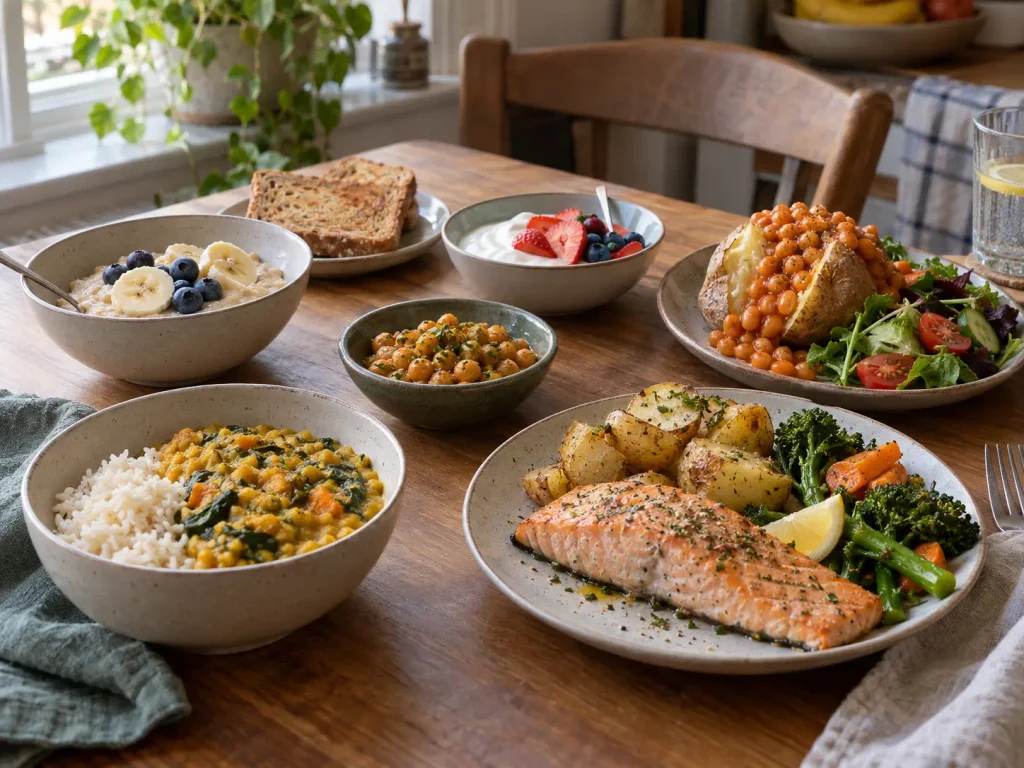
One adaptable day of second-trimester eating
There is no single way a second-trimester day of eating should look. Appetite, portion needs and food tolerance vary, and foods can be swapped according to culture, budget, preferences, allergies, vegetarian or vegan needs, and symptoms such as nausea or heartburn. The example below is simply meant to show balance across the day, not perfection at every meal.
Breakfast
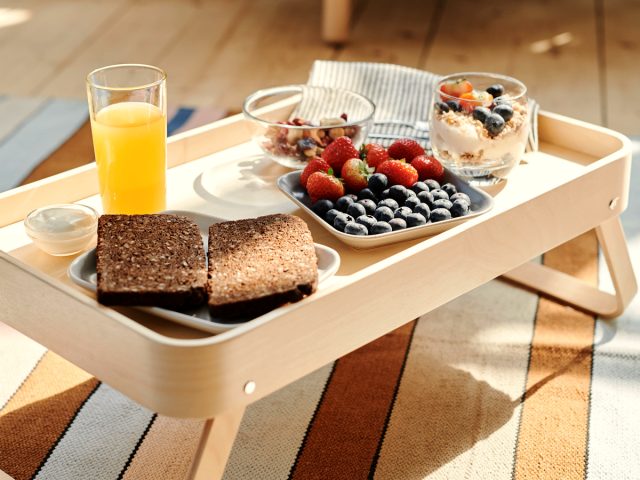
A simple option is porridge made with pasteurised milk or a fortified plant-based alternative, topped with berries or banana and a small amount of nuts or seeds where suitable.
Easy swaps include:
- wholemeal toast with a fully cooked egg and fruit;
- pasteurised yoghurt with oats and fruit.
Mid-morning snack
Keep this straightforward. Fruit with yoghurt, wholemeal toast with nut butter, or crackers with pasteurised cheese can all work well. A fortified plant-based yoghurt or drink can replace dairy where needed.
Lunch
Lunch can follow many different food traditions. For example:
- a jacket potato with beans and salad;
- rice with dal, vegetables and pasteurised yoghurt;
- a wholemeal wrap with thoroughly cooked chicken, beans or tofu and vegetables.
The aim is not to choose one of these as the “best” option, but to combine a starchy food, a protein source, and fruit or vegetables in a way that suits your household.
Afternoon snack
A small snack may help if there is a long gap before dinner. Options could include fruit with nuts, yoghurt, hummus with wholemeal bread or vegetable sticks, or another tolerated snack that fits the rest of the day.
Dinner
A practical dinner might include fully cooked salmon, potatoes or rice, and cooked vegetables. Other suitable protein choices include thoroughly cooked poultry, beans, lentils, chickpeas or tofu.
For a vegetarian or vegan version, replace fish or poultry with lentils, beans, chickpeas, tofu or another suitable plant protein. If dairy is not used, include calcium-fortified alternatives elsewhere in the day where appropriate.
Fluids
Drink regularly through the day rather than waiting until you feel very thirsty. Fluid needs vary with activity, weather, diet and symptoms, so there is no need to treat one number as a personalised target here.
If nausea is still troublesome, the same day can be adapted into smaller, more frequent portions, with cooler or plainer foods if smells are difficult. If heartburn is a problem, smaller meals and avoiding personal trigger foods may feel more comfortable. If constipation is an issue, choosing wholegrains, oats, fruit, vegetables and pulses more often can help increase fibre. If appetite is low, focus on manageable portions and tolerated foods rather than forcing a large meal.
Example day
| Time | Example | Easy swaps |
|---|---|---|
| Breakfast | Porridge with milk or a fortified alternative, banana or berries, and nuts or seeds | Wholemeal toast with a fully cooked egg; yoghurt with oats and fruit |
| Mid-morning | Fruit with yoghurt | Toast with nut butter; crackers with pasteurised cheese; fortified plant yoghurt |
| Lunch | Jacket potato with beans and salad | Rice with dal and vegetables plus yoghurt; wholemeal wrap with chicken, beans or tofu |
| Afternoon | Fruit and nuts | Yoghurt; hummus with bread or vegetables |
| Dinner | Fully cooked salmon, potatoes or rice, and cooked vegetables | Thoroughly cooked poultry; lentils, beans, chickpeas or tofu |
When individual nutrition advice matters
General pregnancy nutrition advice is enough for many people, but there are situations where individual assessment can be more useful than broad food guidance. Your midwife or maternity team is usually a good first point of contact; depending on the concern, they may involve your GP, obstetric team or a registered dietitian.
Personalised advice may be particularly useful if you have:
- persistent vomiting or difficulty keeping food and fluids down;
- significant or ongoing weight loss;
- a very limited diet or severe food aversions;
- anaemia or another identified nutrient deficiency;
- a vegetarian or vegan diet where reliable sources of key nutrients are difficult to maintain;
- multiple food exclusions, food allergy or coeliac disease;
- thyroid disease, diabetes in pregnancy or another medical condition that affects nutrition;
- a multiple pregnancy;
- previous bariatric surgery or another condition that may affect digestion or nutrient absorption;
- concerns about appetite, weight change, fetal growth or nutrition raised by your maternity team.
The level of support will depend on your individual circumstances. Some concerns can be managed through routine maternity advice, while others may need blood tests, medical review or specialist dietetic input.
For example, people newly diagnosed with coeliac disease are referred to a dietitian to help maintain a nutritionally balanced gluten-free diet. Dietary management is also an important part of care for gestational diabetes, and NHS guidance states that people diagnosed with it should be referred for dietetic advice.
Pregnancy after bariatric surgery may require closer monitoring because some procedures can increase the risk of nutritional deficiencies. Specialist NHS guidance describes regular nutritional blood tests and dietetic follow-up during pregnancy in this situation.
Seek prompt medical advice if you cannot keep food or fluids down, have signs of dehydration, feel very weak, dizzy or faint, are losing weight, develop significant abdominal pain, or vomit blood. NHS guidance identifies these as reasons to contact a midwife, GP or urgent-care service rather than trying to manage persistent vomiting through diet alone.
Also follow any specific instructions your own maternity team has given you about when to seek urgent assessment.
Practical takeaway for weeks 13–27
There is no single ideal way to eat during the second trimester. What matters most is a varied pattern across the day and week, including starchy foods, protein foods, fruit and vegetables, and dairy or suitable fortified alternatives.
Continue following pregnancy food-safety advice and the vitamin or supplement guidance that applies to your stage of pregnancy and the UK nation where you receive care. For the wider picture, see our guide to Pregnancy Nutrition in the UK.
Appetite, nausea, heartburn, fullness and food preferences can still change during weeks 13–27, so meal size and timing do not need to be rigid. Smaller or simpler meals can be useful when larger meals feel uncomfortable, and foods can be adapted to suit culture, budget, vegetarian or vegan eating, allergies and other dietary needs.
Restricted diets can work well during pregnancy, but some nutrients may need more deliberate planning. If symptoms, a medical condition, an identified deficiency or very limited food intake make general advice difficult to apply, speak with your midwife, GP, maternity team or a registered dietitian. If early-pregnancy sickness or food aversions are still a major issue, our First Trimester Foods in the UK guide may also be helpful.
![How to Fall Asleep Fast? [10 Proven Ways for Better Rest]](https://preggiebites.com/wp-content/uploads/2025/08/how-to-fall-asleep-fast-640x480.jpg)